
Tea Plant / Camellia sinensis
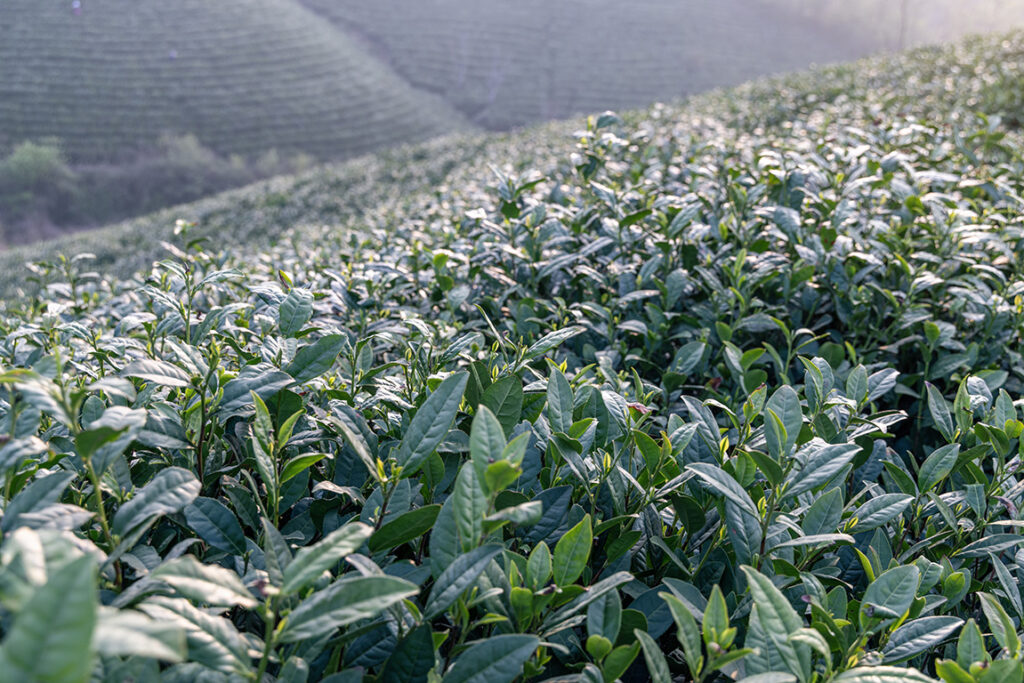
The tea plant, Camellia sinensis, is the evergreen shrub whose leaves and buds produce the world’s traditional teas. Green, white, oolong and black tea—as well as matcha and the tea base used for jasmine tea—all begin with this one plant.
Differences among teas come primarily from the variety grown, growing conditions, time of harvest and how the leaves are processed after picking. In cultivation, tea plants are usually pruned into low shrubs for easier harvesting, although they can naturally grow into small trees.
Botanical Snapshot
Common Name: Tea Plant
Botanical Name: Camellia sinensis (L.) Kuntze
Plant Family: Theaceae
Plant Type: Perennial evergreen shrub or small tree
Native Range: Eastern Himalayas through southern China and northern mainland Southeast Asia
Part Commonly Used: Young leaves and leaf buds
Two major cultivated varieties are Camellia sinensis var. sinensis, commonly called the China or small-leaf variety, and Camellia sinensis var. assamica, commonly called the Assam or large-leaf variety. Numerous cultivars have been developed for particular climates, flavors and styles of tea.
The plant has glossy, serrated green leaves and small white flowers with prominent yellow stamens.
Herbal Use & Bioactive Compounds
Tea has a long history of use as a refreshing and mildly stimulating beverage. Traditional uses have included supporting alertness, digestion and general well-being, although these uses vary among cultures and preparations.
Tea leaves naturally contain polyphenols, including catechins and other flavonoids, along with caffeine, L-theanine, theobromine and aromatic compounds. Their proportions vary according to the plant variety, growing environment, harvest and processing method.
Processing significantly changes the finished tea. Heating limits oxidation in green tea, partial oxidation shapes oolong, and more extensive oxidation creates many of the characteristic compounds found in black tea. Matcha is consumed as suspended powdered leaf rather than as a strained infusion.
Modern research has explored tea in relation to cardiovascular health, metabolism, attention and other areas. Results vary by the tea, amount consumed and form studied. Findings involving isolated compounds or concentrated extracts should not automatically be applied to an ordinary cup of tea.
Culinary Use & Common Forms
The leaves and buds of Camellia sinensis are processed into many styles of tea, including:
Jasmine tea is generally made by scenting a Camellia sinensis tea base with jasmine blossoms. Matcha is produced by finely grinding specially cultivated and processed green tea leaves.
The tea plant also produces yellow, dark and post-fermented teas. Finished teas may be sold as loose leaves, tea bags, compressed cakes, powders, extracts or ingredients in foods and beverages.
Tisanes, also called Herbal teas, are made from plants other than Camellia sinensis and are not botanically considered true tea.
Safety & Considerations
Tea naturally contains caffeine. The amount varies with the plant material, processing, serving size, water temperature and steeping time. People who are sensitive to caffeine may experience restlessness, sleep disruption, digestive discomfort or a rapid heartbeat.
Tea can also reduce the absorption of non-heme iron from plant foods when consumed with meals, which may be relevant for people with low iron levels.
Ordinary tea beverages and concentrated tea extracts should not be treated as equivalent. Rare cases of liver injury have been associated primarily with concentrated green tea extracts in capsules or tablets rather than traditionally prepared tea. Tea extracts may also interact with medications.
People who are pregnant, breastfeeding, managing an iron deficiency, taking medication or limiting caffeine should consider their total intake and consult a qualified healthcare professional when appropriate.
Sourcing & Sustainability
Tea quality is influenced by the cultivar, elevation, climate, harvest season, leaf selection and processing. Reputable suppliers should be able to identify the tea’s type, region of origin and basic production method.
Tea farming can involve concerns related to pesticide use, soil health, water, changing climate conditions and labor practices. Organic, fair-trade and other certifications may provide additional information, but no single label tells the complete story. Transparent sourcing and established relationships with growers or producers are useful quality indicators.
Spiritual, Magical & Folk Traditions
Tea has long been associated with hospitality, wakeful meditation, clarity, harmony and respectful connection. Buddhist communities in parts of Asia incorporated tea into practices that supported alertness during meditation.
In contemporary folk and magical traditions, tea may be used symbolically for peace, cleansing, prosperity or focused intention. Tea-leaf reading, commonly called tasseography, interprets the shapes left by leaves in a cup as a form of divination.
Cultural & Traditional Uses
Tea cultivation and drinking developed over centuries in China, where tea became deeply connected with hospitality, social gatherings, art and everyday life. China’s traditional tea-processing techniques and associated social practices were added to UNESCO’s Representative List of the Intangible Cultural Heritage of Humanity in 2022.
Tea traveled through cultural exchange and trade into Korea, Japan, South Asia, the Middle East, Europe and beyond. In Japan, tea became closely connected with Zen-influenced aesthetics and the development of chanoyu, often translated as the Way of Tea. Across the world, distinct tea customs continue to express welcome, community, ceremony and regional identity.
Related Articles & Resources
Explore the individual entries for Green Tea, White Tea, Oolong Tea, Black Tea, Matcha and Jasmine Tea.
Additional information is available from the National Center for Complementary and Integrative Health overview of tea and UNESCO’s profile of traditional tea-processing techniques and social practices in China.
A Note on Herbal Information
The information in this profile is provided for educational purposes and reflects a mix of botanical reference material, historical use, traditional practices and contemporary perspectives. It is not intended to diagnose, treat, cure or prevent disease, and it should not replace advice from a qualified healthcare professional.
Explore More Botanicals
Return to the Botanical Glossary to explore herbs, roots, flowers, spices and other botanicals along with their traditional uses, history, folklore and modern context.
One plant. Countless cups. Centuries of connection. 🍃