
Rose Hip / Rosa canina
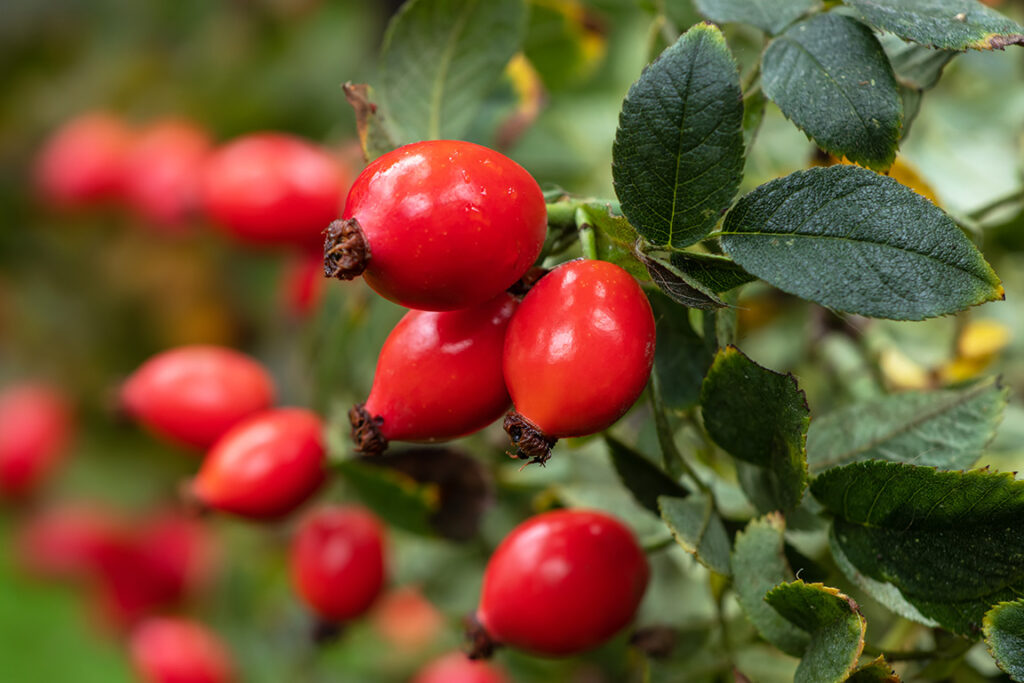
Rose hips are the colorful, fleshy accessory fruits that develop after a rose flower has been pollinated and its petals fall. Although many Rosa species produce usable hips, Rosa canina, commonly known as dog rose, is one of the species most closely associated with rose hips in traditional herbal and culinary use.
Unlike the Rose profile, which focuses on flowers and petals, this page focuses specifically on the fruit.
Botanical Snapshot
Common Name: Rose Hip, Rosehip
Botanical Name: Rosa canina and other Rosa spp.
Plant Family: Rosaceae
Plant Type: Deciduous flowering shrub
Native Range: Rosa canina is native to Europe, North Africa and western to central Asia
Part Commonly Used: Rose hip (fruit); seeds are also used separately
Herbal Use & Bioactive Compounds
Rose hips have a long history as both food and traditional herbal preparations. They are particularly known for their naturally occurring vitamin C, along with polyphenols, flavonoids, carotenoids, anthocyanins and other phenolic compounds. The seeds also contain fatty acids and other constituents.
The amount of vitamin C and other compounds can vary considerably with species, ripeness, growing conditions, storage and processing. Rose hip should therefore not be viewed as providing one consistent concentration of vitamin C simply because it is naturally rich in the nutrient.
Modern research has also examined standardized Rosa canina powders for joint discomfort and osteoarthritis. Some clinical trials have reported modest benefits, but the evidence is limited and relates to specific preparations rather than rose hip in general.
Culinary Use & Common Forms
Rose hips have a pleasantly tart, fruity flavor and are traditionally used in herbal teas, syrups, jams, jellies, sauces and other foods. They may also be dried and ground into powder.
Common forms include whole or cut dried hips, herbal tea, powder, syrup and extracts. Oil pressed from rose hip seeds is also widely used in cosmetic and topical preparations but is different from preparations made from the fleshy fruit.
When preparing whole rose hips, the fine hairs surrounding the seeds should be removed because they can be irritating.
Safety & Considerations
Rose hips used as food or tea are generally well tolerated. Concentrated extracts and supplements may occasionally cause mild digestive effects such as loose stools, gas or gastrointestinal discomfort.
Fine hairs found inside whole hips can irritate the skin, mouth and digestive tract and should be removed during preparation. Concentrated supplements should not automatically be treated as equivalent to ordinary culinary use.
Sourcing & Sustainability
Because rose hip describes the fruit of many species of Rosa, products should identify the botanical species whenever possible. Rosa canina is especially common in commercial and traditional rose hip preparations.
Choose food- or herbal-grade hips from reputable suppliers and avoid fruits from ornamental roses that may have been treated with pesticides or other chemicals not intended for food use.
Spiritual, Magical & Folk Traditions
Rose hips share many of the rose’s long-standing associations with love and beauty, while the fruit has also developed folk associations with good fortune, protection, vitality and endurance.
The dog rose itself has a rich European folklore. It appears in medieval heraldry, traditional stories and old herbal practices, while its bright hips have remained a familiar symbol of the wild rose through autumn and winter.
Related Articles & Resources
Related botanicals include Rose.
Related terms include Anthocyanin, Antioxidant, Bioactive Compound, Carotenoid, Flavonoid, Polyphenol.
For more information on rose hip’s traditional uses, naturally occurring compounds and modern research, see Phytochemistry, Traditional Uses and Pharmacological Profile of Rose Hip: A Review through PubMed.
A Note on Herbal Information
The information in this profile is provided for educational purposes and reflects a mix of botanical reference material, historical use, traditional practices and contemporary perspectives. It is not intended to diagnose, treat, cure or prevent disease, and it should not replace advice from a qualified healthcare professional.
Explore More Botanicals
Return to the Botanical Glossary to explore herbs, roots, flowers, spices and other botanicals along with their traditional uses, history, folklore and modern context.
The rose after the bloom—bright, resilient & enduring. 🌹