
Rose / Rosa spp.
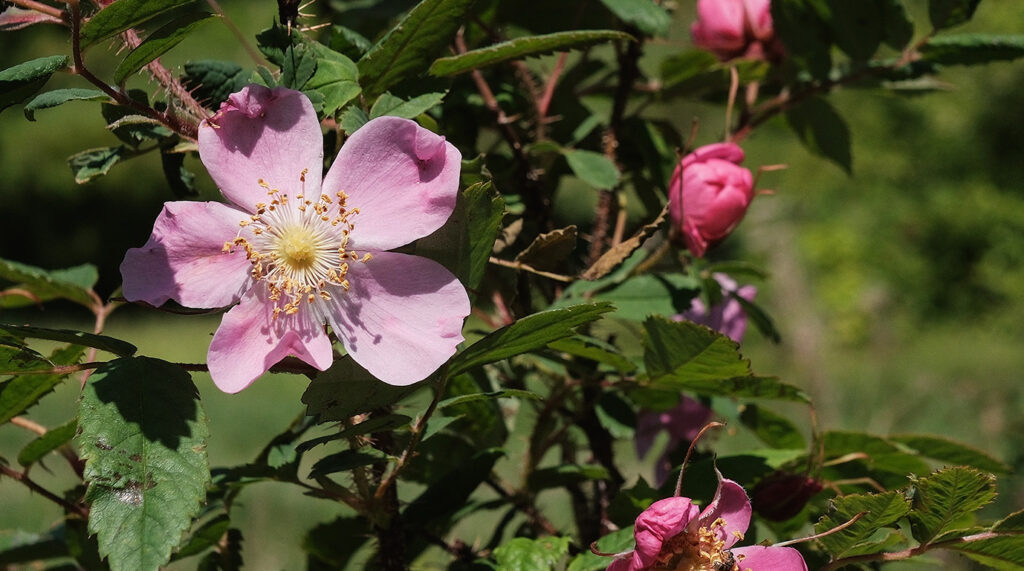
Rose / Rosa spp.
Introduction
Rose is the familiar name for plants in the genus Rosa, a diverse group of flowering shrubs valued for centuries for their fragrance, beauty, culinary uses and traditional herbal preparations.
For herbal rose flower, the petals of Rosa gallica, Rosa centifolia and Rosa damascena are among the best documented. This profile focuses on rose flowers and petals; rose hips are covered separately because they have different constituents and traditional uses.
Botanical Snapshot
Common Name: Rose
Botanical Name: Rosa spp.; particularly Rosa gallica, Rosa centifolia and Rosa damascena
Plant Family: Rosaceae
Plant Type: Perennial flowering shrub or climber
Native Range: Species of Rosa occur naturally across much of the Northern Hemisphere
Part Commonly Used: Flower petals
Herbal Use & Bioactive Compounds
Rose petals have a long history in traditional herbal practices. The European Medicines Agency recognizes dried petals of Rosa gallica, Rosa centifolia and Rosa damascena for traditional preparations used for mild inflammation of the mouth, throat and skin. These uses are based primarily on long-standing traditional use rather than strong clinical evidence.
Rose petals contain polyphenols, flavonoids, anthocyanins and other phenolic compounds. Aromatic roses such as Rosa damascena also contain fragrant terpenes, including geraniol and citronellol. Laboratory and preliminary clinical research has explored antioxidant, anti-inflammatory and other biological activities, but many proposed health benefits require further study.
Culinary Use & Common Forms
Rose petals have been used in foods and beverages throughout many cultures. Fresh or dried petals may be used in herbal teas, syrups, preserves, desserts and garnishes, while aromatic varieties are also used to produce rose water.
Only roses specifically grown for culinary use should be eaten. Florist roses and ornamental plants may have been treated with pesticides or other chemicals not intended for food crops.
Common herbal forms include dried petals, herbal infusions, rose water and extracts. Rose essential oil and rose absolute are highly concentrated aromatic preparations and should not be treated as equivalent to rose petals or rose tea.
Safety & Considerations
Food-grade rose petals are generally used in small culinary amounts and are well tolerated, although allergic reactions are possible.
Correct identification and sourcing are important. Avoid ingesting florist roses or flowers that may have been treated with pesticides. Concentrated extracts and essential oils require different safety considerations than ordinary culinary or herbal preparations.
Sourcing & Sustainability
Choose properly identified, food-grade rose petals from reputable growers or herbal suppliers. Fragrant traditional varieties such as Damask rose are commonly cultivated specifically for petals, rose water and aromatic products.
Because hundreds of rose species and thousands of cultivated varieties exist, the botanical species should be identified whenever the rose is being used as an herbal ingredient rather than simply as an ornamental flower.
Spiritual, Magical & Folk Traditions
Across centuries of folklore and spiritual symbolism, the rose has become strongly associated with love, beauty, devotion, remembrance and the heart.
Different colors developed their own symbolic associations, while roses also appeared in wedding, memorial and devotional traditions. The flower’s long cultural history has made it one of the most recognizable symbols of both earthly and spiritual love.
Cultural & Indigenous Uses
Damask rose holds an especially important place in Persian and Iranian culture, where distilled rose water—known as golab—has long been used in foods, traditional preparations and religious ceremonies.
Rosa damascena also has an extensive history in Traditional Persian Medicine, although many of its historical medicinal uses have not been confirmed by modern clinical research.
Related Articles & Resources
Related botanicals include Rose Hip.
Related terms include Anthocyanin, Bioactive Compound, Flavonoid, Polyphenol, Herbal Infusion, Terpene and Volatile Oil.
A Note on Herbal Information
The information in this profile is provided for educational purposes and reflects a mix of botanical reference material, historical use, traditional practices and contemporary perspectives. It is not intended to diagnose, treat, cure or prevent disease, and it should not replace advice from a qualified healthcare professional.
Explore More Botanicals
Return to the Botanical Glossary to explore herbs, roots, flowers, spices and other botanicals along with their traditional uses, history, folklore and modern context.
Petals of love, beauty & timeless tradition. 🌹