
White Willow Bark / Salix alba
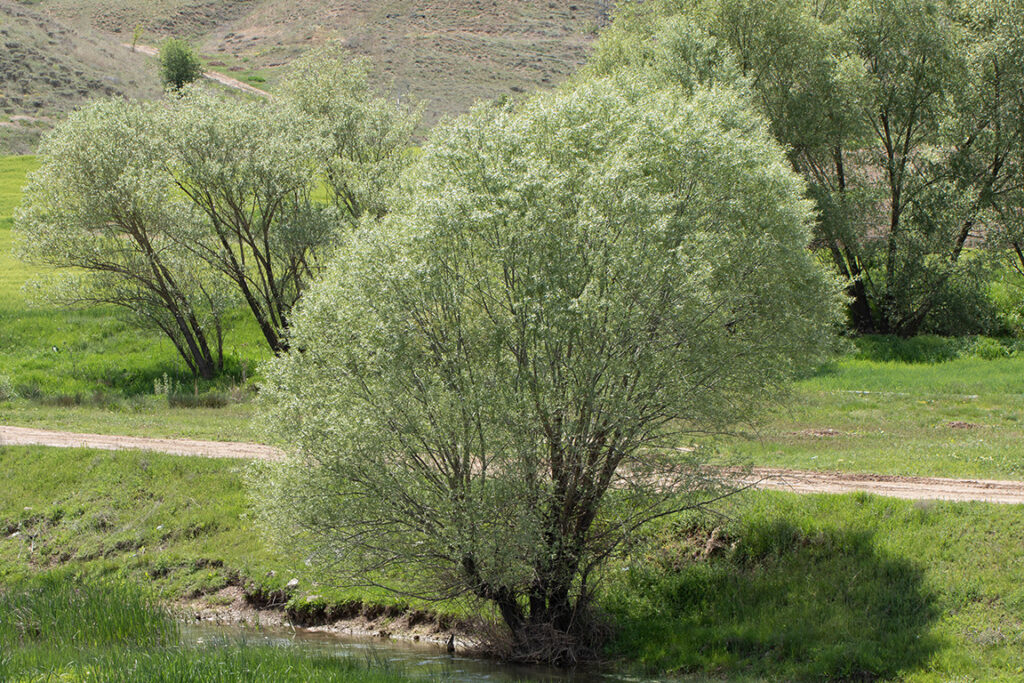
White willow bark comes from Salix alba, a deciduous willow native across much of Europe, northern Africa and Asia. The bark has a long history in traditional herbal practice, particularly for discomfort, fever and inflammation, and contains naturally occurring salicylate compounds that helped inspire later pharmaceutical research.
Botanical Snapshot
Common Name: White Willow, White Willow Bark
Botanical Name: Salix alba L.
Plant Family: Salicaceae
Plant Type: Deciduous tree
Native Range: Europe, northwestern Africa and parts of Asia
Part Commonly Used: Bark
Herbal Use & Bioactive Compounds
White willow bark has traditionally been used for pain, fever and inflammatory complaints. Its best-known constituent is salicin, a phenolic glycoside that is metabolized in the body to salicylic acid.
Willow bark is sometimes described as “natural aspirin,” but the comparison is imprecise. Salicin is not aspirin; aspirin is acetylsalicylic acid. Willow bark also contains other salicylates, polyphenols and flavonoids that may contribute to its biological activity.
Small clinical studies have explored standardized willow bark extracts for lower back and joint pain, but human evidence remains limited.
Common Forms & Preparations
White willow bark is available as dried bark for tea or decoction, as well as powders, capsules, tinctures and standardized extracts.
Commercial extracts are often standardized according to their salicin content, so concentrated products should not be considered equivalent to a traditional bark preparation.
Safety & Considerations
White willow bark contains salicylates and requires more caution than an ordinary culinary herb. It should generally be avoided by people with aspirin or salicylate sensitivity, bleeding disorders, or those taking anticoagulant or other medications that may increase bleeding risk.
Children and teenagers, particularly during viral illnesses, should not use willow bark because of concerns associated with salicylates and Reye syndrome. Use during pregnancy or breastfeeding should be discussed with a qualified healthcare professional.
Sourcing & Sustainability
Look for products that clearly identify the willow species and plant part used. Commercial “willow bark” products may contain Salix alba or other willow species, so the scientific name is useful when comparing products.
When bark is wild-harvested, responsible collection is important because removing too much bark from a living tree can seriously damage it. Cultivated or responsibly managed sources are preferable.
Cultural & Historical Use
Willow species have a long history in European and other traditional herbal practices. Their salicylate-containing bark also played an important role in the history of research that eventually led to modern salicylate medicines, although willow bark itself is chemically more complex than aspirin.
Related Articles & Resources
Related terms include Analgesic, Anti-inflammatory, Bioactive Compound, Flavonoid, Polyphenol and Decoction.
For additional research, see the National Institutes of Health/PubMed, Willow Bark (Salix spp.) Used for Pain Relief in Arthritis: A Meta-Analysis of Randomized Controlled Trials
A Note on Herbal Information
The information in this profile is provided for educational purposes and reflects a mix of botanical reference material, historical use, traditional practices and contemporary perspectives. It is not intended to diagnose, treat, cure or prevent disease, and it should not replace advice from a qualified healthcare professional.
Explore More Botanicals
Return to the Botanical Glossary to explore herbs, roots, flowers, spices and other botanicals along with their traditional uses, history, folklore and modern context.
Ancient bark. A remarkable botanical legacy. 🌿