
Turmeric / Curcuma longa
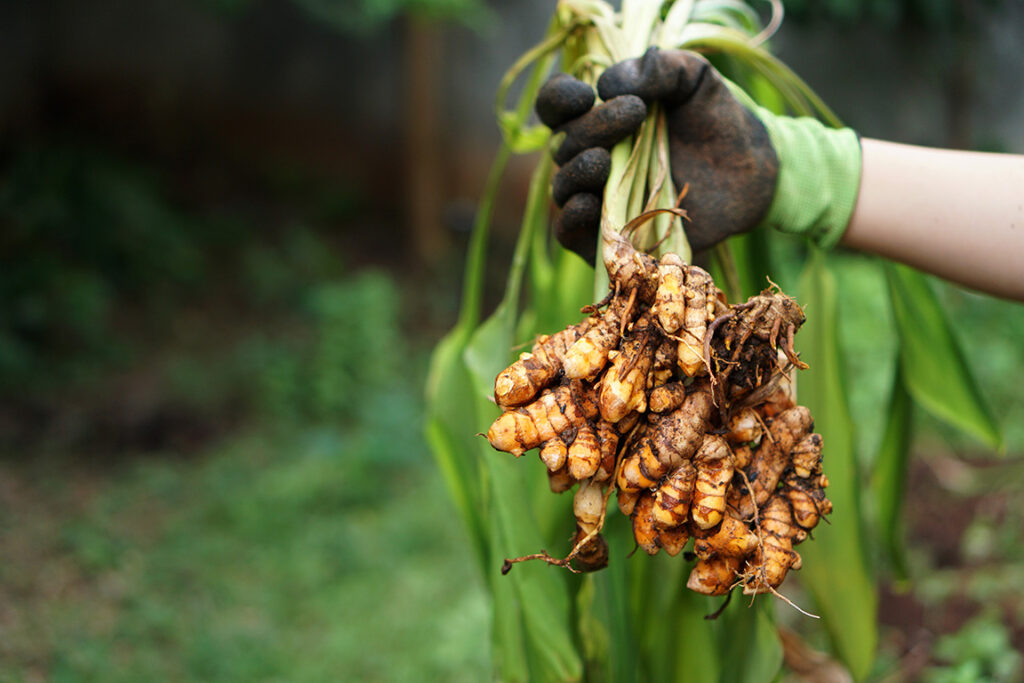
Turmeric is the golden-yellow rhizome of Curcuma longa, a member of the ginger family valued as a spice, traditional herbal preparation and natural coloring agent. Used for centuries across South and Southeast Asia, turmeric is especially known for its curcuminoids, including curcumin, which have become the focus of considerable modern research.
Botanical Snapshot
Botanical name: Curcuma longa L.
Plant family: Zingiberaceae (ginger family)
Common names: Turmeric, turmeric root, Indian saffron
Plant part commonly used: Rhizome
Growing region: Widely cultivated throughout India and Southeast Asia and in other warm, tropical regions
Herbal Use & Bioactive Compounds
Turmeric contains curcuminoids, including curcumin, along with aromatic compounds such as turmerones.
Modern research has focused largely on turmeric and curcumin for inflammation, joint discomfort and digestive concerns. Laboratory and preclinical findings are promising, while human studies have produced mixed results depending on the condition, dose and formulation.
Culinary Use & Common Forms
Turmeric is widely used in Indian, Southeast Asian and other cuisines in curries, rice dishes, lentils, soups, vegetables, pickles and spice blends.
It may be used fresh or dried and powdered, and is also found in teas, golden milk, tinctures, extracts, capsules and concentrated curcumin supplements.
Safety & Considerations
Turmeric used in normal food amounts is generally well tolerated. Larger supplemental amounts may cause digestive upset.
Concentrated curcumin supplements, especially products formulated for increased absorption, require more caution. Rare cases of liver injury have been reported with some highly bioavailable products.
People with gallstones, bile duct disorders, or those who are pregnant, breastfeeding or taking medications should seek professional guidance before using concentrated turmeric or curcumin supplements.
Sourcing & Sustainability
Turmeric is widely cultivated and is not generally considered threatened.
Quality matters, however. Adulteration with added colorants and contaminants has been documented in some turmeric supply chains, making reputable sourcing and product testing important.
Spiritual, Magical & Folk Traditions
Turmeric is traditionally associated with purification, protection, prosperity, fertility and auspicious beginnings.
It appears in Hindu religious ceremonies, wedding traditions such as the haldi ceremony, and contemporary spiritual practices centered on blessing, cleansing and abundance.
Cultural & Indigenous Uses
Turmeric has a long history of use in Ayurveda and other South Asian traditional healing systems, including preparations for digestive complaints, joint discomfort and inflammatory conditions.
Beyond herbal use, turmeric has long held an important place in South Asian cooking, ceremony, religious practice and everyday household traditions.
Related Articles & Resources
Related terms include Bioactive Compound, Polyphenol, Antioxidant, Anti-inflammatory, Bioavailability and Volatile Oil.
For additional information: National Center for Complementary and Integrative Health — Turmeric: Usefulness and Safety NCCIH — Turmeric
A Note on Herbal Information
The information in this profile is provided for educational purposes and reflects a mix of botanical reference material, historical use, traditional practices and contemporary perspectives. It is not intended to diagnose, treat, cure or prevent disease, and it should not replace advice from a qualified healthcare professional.
Explore More Botanicals
Return to the Botanical Glossary to explore herbs, roots, flowers, spices and other botanicals along with their traditional uses, history, folklore and modern context.
Golden, earthy and rooted in centuries of tradition. 🌿