
Lemon Balm / Melissa officinalis
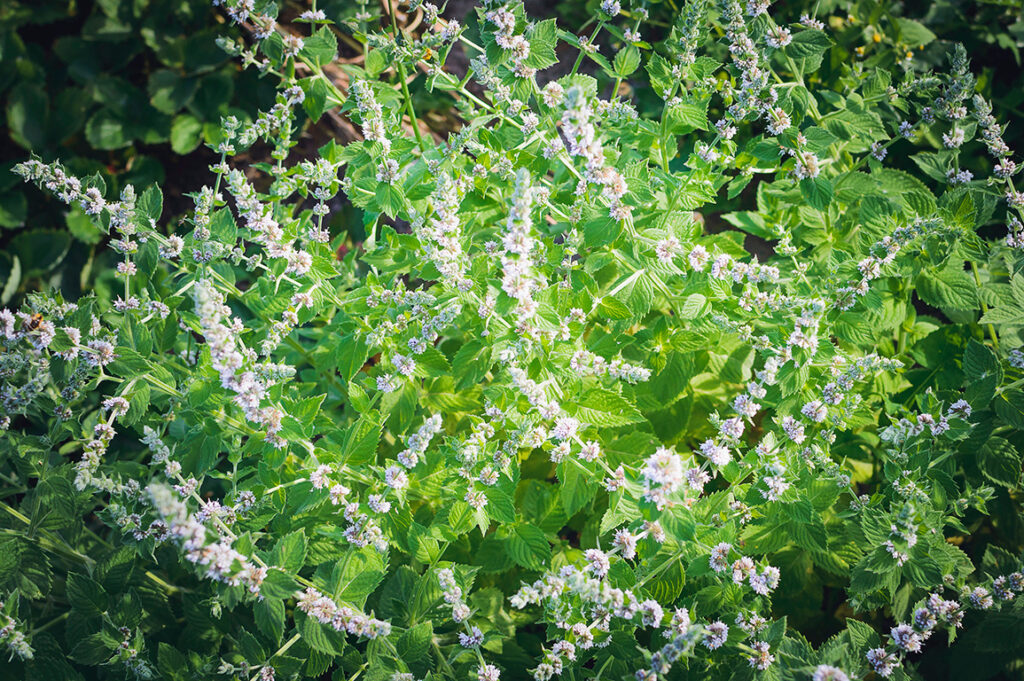
Lemon balm is a fragrant member of the mint family known for its soft leaves and gentle lemon-like aroma. Used for centuries as both a culinary and herbal plant, it is commonly prepared as tea and has traditionally been associated with relaxation, digestive comfort and restful sleep.
Its botanical name, Melissa officinalis, reflects the plant’s long association with bees: melissa comes from the Greek word for honeybee.
Botanical Snapshot
Common Name: Lemon Balm, Melissa
Botanical Name: Melissa officinalis
Plant Family: Lamiaceae
Plant Type: Aromatic herbaceous perennial
Native Range: Mediterranean region through western and central Asia
Parts Commonly Used: Leaves and flowering aerial portions
Herbal Use & Bioactive Compounds
Lemon balm has traditionally been used for mild nervous tension, occasional sleeplessness and digestive discomfort such as bloating and gas.
The leaves contain polyphenols, flavonoids and volatile oils. Rosmarinic acid is one of its better-known phenolic compounds, while the aromatic portion contains compounds such as citral, citronellal and related terpenes.
Modern human studies have explored lemon balm for stress, anxiety, mood, sleep and cognitive function. Results are promising in some areas, but studies are generally small and use different preparations, so stronger clinical evidence is still needed before broad therapeutic claims can be made.
Culinary Use & Common Forms
Fresh lemon balm has a mild lemony flavor and can be added to teas, cold drinks, fruit dishes, salads, desserts and other foods. The leaves are best used fresh when their delicate citrus aroma is strongest.
Dried lemon balm is commonly prepared as an herbal tea and may also appear in tinctures, extracts, capsules and herbal blends.
Lemon balm essential oil is a much more concentrated preparation than the leaf and should not be treated as equivalent to drinking lemon balm tea.
Safety & Considerations
Lemon balm used in ordinary food and tea amounts is generally well tolerated. Some people may experience mild digestive upset or sensitivity.
Concentrated extracts and essential oil require greater caution than culinary or tea preparations. Essential oil should be appropriately diluted before topical use and avoided around the eyes and other sensitive areas.
Safety information for medicinal amounts during pregnancy and breastfeeding is limited. People using sedating medications or other treatments affecting the nervous system should discuss concentrated lemon balm preparations with a healthcare professional.
Sourcing & Sustainability
Look for products identified as Melissa officinalis. Lemon balm is widely cultivated and is not generally considered a conservation-sensitive botanical.
Fresh or properly dried leaves should retain at least some of their characteristic lemony aroma. Because the aromatic compounds are volatile, old or poorly stored dried herb may lose much of its fragrance.
Lemon balm can spread readily in the garden through seed and may become enthusiastic once established.
Spiritual, Magical & Folk Traditions
Lemon balm has longstanding associations with comfort, love, healing, peace and emotional renewal in European folk tradition.
Its connection with bees also contributed to traditions involving abundance and harmony. In contemporary spiritual practice, lemon balm may be incorporated into teas, baths, sachets or ritual blends associated with calming the mind, easing emotional tension and welcoming positive energy.
Related Articles & Resources
Related terms include Polyphenol, Flavonoid, Volatile Oil and Terpene.
For a clear overview of traditional herbal use and safety, see the European Medicines Agency — Melissa Leaf (Melissae folium).
For a recent overview of human research involving cognition and sleep, see the PubMed review — Unraveling the Effects of Melissa officinalis L. on Cognition and Sleep Quality.
A Note on Herbal Information
The information in this profile is provided for educational purposes and reflects a mix of botanical reference material, historical use, traditional practices and contemporary perspectives. It is not intended to diagnose, treat, cure or prevent disease, and it should not replace advice from a qualified healthcare professional.
Explore More Botanicals
Return to the Botanical Glossary to explore herbs, roots, flowers, spices and other botanicals along with their traditional uses, history, folklore and modern context.
Softly lemon-scented, gently calming and beloved by bees. 🌿🐝