
Lavandin / Lavandula × intermedia
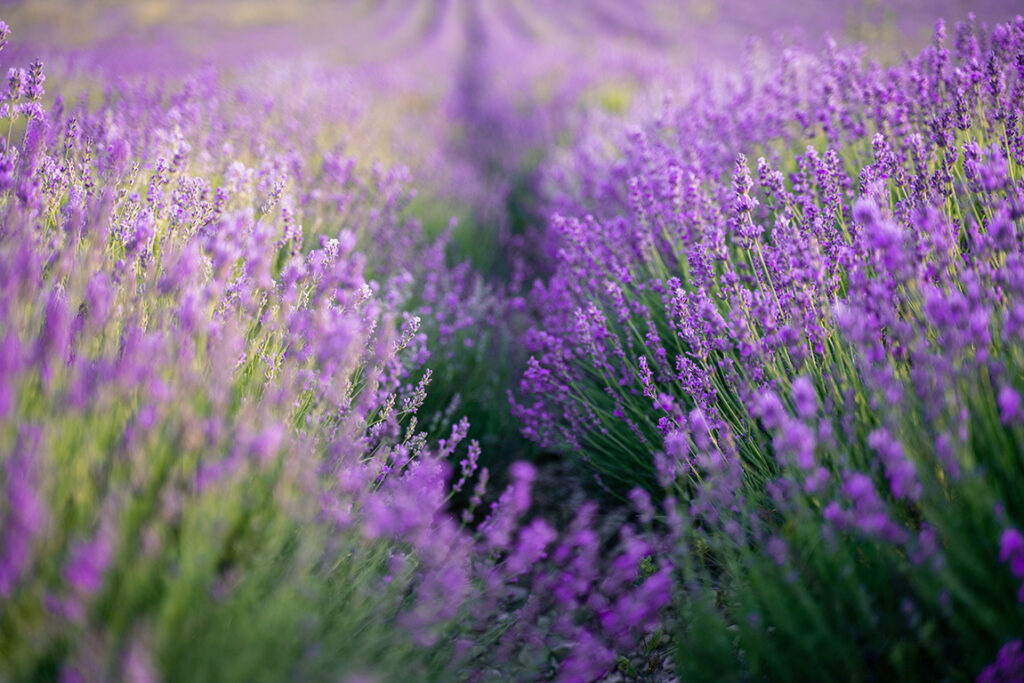
Lavandin is an aromatic lavender hybrid known for its abundant purple flower spikes and strong, fresh fragrance. It is a natural hybrid of English lavender (Lavandula angustifolia) and spike lavender (Lavandula latifolia) and is widely cultivated for dried flowers, fragrance products and essential oil.
Although commonly sold simply as lavender, lavandin has a somewhat sharper, more camphoraceous aroma than English lavender and should not automatically be treated as interchangeable with it in herbal or essential-oil discussions.
Botanical Snapshot
Common Name: Lavandin, Hybrid Lavender
Botanical Name: Lavandula × intermedia
Plant Family: Lamiaceae
Plant Type: Aromatic evergreen subshrub and natural hybrid
Native Range: Southeastern France to northeastern Spain
Parts Commonly Used: Flowers and flowering tops; essential oil is distilled from the flowering plant
Herbal Use & Bioactive Compounds
Lavandin is used primarily for its aromatic properties in perfumery, body care, household products and aromatherapy.
Its volatile oil contains linalool and linalyl acetate along with camphor, 1,8-cineole, borneol and other terpenes. Its generally higher camphor and cineole content helps give lavandin a stronger, more medicinal or herbaceous fragrance than Lavandula angustifolia.
Laboratory and preliminary research has explored lavandin essential oil for antimicrobial, antioxidant, calming, sleep-related and other biological activity. Research specifically involving Lavandula × intermedia remains limited, however, and much of the better-known clinical research on “lavender” has actually involved Lavandula angustifolia preparations.
Culinary Use & Common Forms
Dried lavandin flowers may be used in teas, aromatic blends, sachets, bath preparations, potpourri and infused oils.
Lavandin can also be used in culinary preparations, but its stronger camphoraceous flavor makes it less commonly preferred for food than English lavender. When using lavender in foods or beverages, choose material specifically sold for culinary use.
Lavandin-infused carrier oil is made by steeping the flowers in a fixed oil and is not the same as lavandin essential oil.
Lavandin essential oil is produced by distillation and is highly concentrated. It is widely used in soaps, perfumes, lotions, candles, household products and aromatherapy.
Safety & Considerations
Dried lavandin used in ordinary herbal or aromatic preparations is generally well tolerated.
Lavandin essential oil is much more concentrated and contains more camphor than typical English lavender oil. It should be appropriately diluted for topical use and should not be treated as interchangeable with dried lavender or an herbal infused oil.
Essential oil may cause irritation or sensitivity in some people and should be kept away from the eyes and other sensitive areas.
Safety information for concentrated lavandin preparations during pregnancy and breastfeeding is limited. Internal use of essential oil requires substantially different safety considerations from drinking an herbal tea or using the dried flowers.
Sourcing & Sustainability
Look for products specifically identified as Lavandula × intermedia when botanical identity matters.
Lavandin is extensively cultivated because it grows vigorously and produces a relatively high yield of essential oil. It is not generally considered a conservation-sensitive botanical.
Several cultivars of lavandin are grown commercially, and their aroma and essential-oil composition can vary. Growing conditions, harvest timing, drying and distillation practices also influence the character of the finished herb or oil.
Spiritual, Magical & Folk Traditions
Many folk and spiritual traditions refer broadly to lavender without distinguishing among individual Lavandula species.
In contemporary spiritual practice, dried lavandin may be used much like other lavender flowers and is commonly associated with peace, purification, protection, love and restful sleep.
The flowers may be incorporated into sachets, incense blends, baths and ritual preparations associated with calming energy, cleansing a space and encouraging tranquility.
Related Articles & Resources
Related terms include Volatile Oil, Terpene, Polyphenol and Bioactive Compound.
For research specifically focused on lavandin rather than English lavender, see the PubMed review — Lavandula × intermedia: Biological Activities and Applications of Lavandin.
A Note on Herbal Information
The information in this profile is provided for educational purposes and reflects a mix of botanical reference material, historical use, traditional practices and contemporary perspectives. It is not intended to diagnose, treat, cure or prevent disease, and it should not replace advice from a qualified healthcare professional.
Explore More Botanicals
Return to the Botanical Glossary to explore herbs, roots, flowers, spices and other botanicals along with their traditional uses, history, folklore and modern context.
Boldly fragrant, beautifully purple and distinctly lavandin. 💜🌿