
Calendula / Calendula officinalis
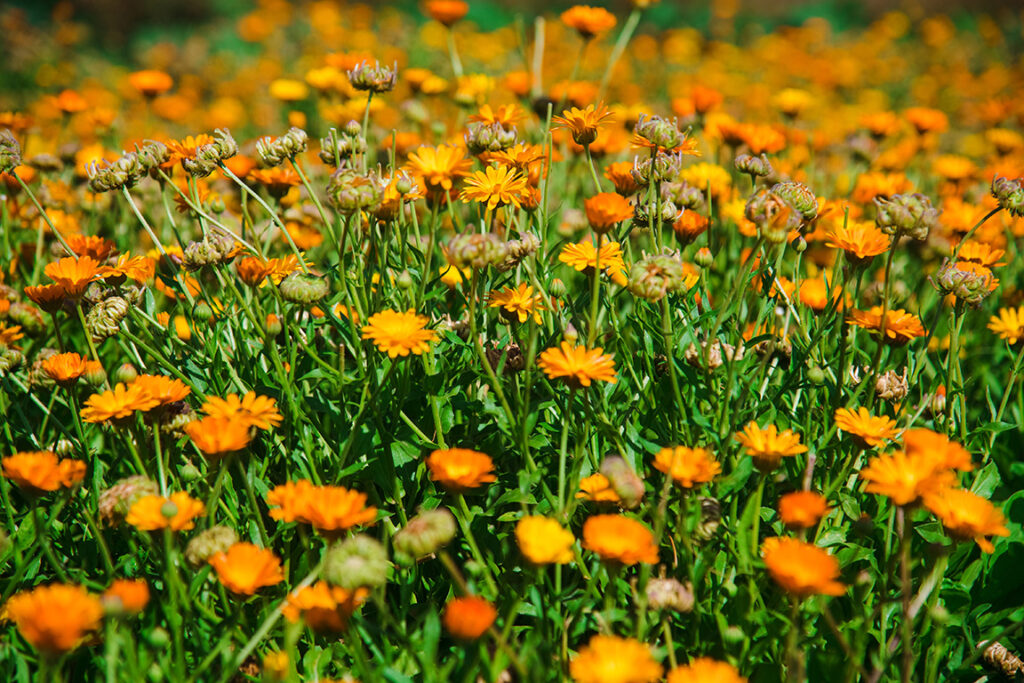
Calendula is a bright yellow-to-orange flowering herb in the daisy family, best known for its long history in European herbal traditions and its use in skin preparations. Often called pot marigold, it should not be confused with the ornamental marigolds of the Tagetes genus.
Botanical Snapshot
Common Name: Calendula, Pot Marigold
Botanical Name: Calendula officinalis
Plant Family: Asteraceae
Plant Type: Annual herb; sometimes grown as a short-lived biennial in mild climates
Native Range: Southern Europe and the Mediterranean region; now widely cultivated and naturalized
Part Commonly Used: Flowers and petals
Herbal Use & Bioactive Compounds
Calendula has a long history of topical use for minor skin irritation, inflammation and wounds. The European Medicines Agency recognizes calendula flower preparations for these purposes on the basis of traditional use, while noting that clinical evidence is still limited. Research on wound healing has produced some promising findings, but results across studies remain mixed. European Medicines Agency (EMA)
Calendula flowers contain several groups of naturally occurring compounds, including flavonoids, carotenoids, triterpenes, triterpene saponins and polysaccharides. These compounds have been studied for antioxidant, anti-inflammatory and other biological activity, particularly in laboratory and preclinical research. PubMed Central (PMC)
Culinary Use & Common Forms
Calendula petals are edible and may be used fresh or dried in salads, soups and other foods, as a garnish or as a natural yellow-orange food coloring. Historically, the petals were also used to color foods such as butter and cheese. Gardening Solutions
Common herbal preparations include dried flowers, teas, tinctures, infused oils, salves, creams, lotions and rinses.
Safety & Considerations
Calendula may cause allergic reactions or skin sensitization, particularly in people sensitive to plants in the Asteraceae family, which also includes plants such as ragweed, chamomile and daisies.
Sourcing & Sustainability
Look for products identified specifically as Calendula officinalis. Calendula is widely cultivated and readily grown as an annual, so cultivated flowers are generally preferable to unnecessarily harvested wild material. For culinary use, choose flowers specifically grown for food or herbal use and free from ornamental pesticides.
Spiritual, Magical & Folk Traditions
Calendula’s golden flowers have carried symbolic meaning for centuries. In European Christian tradition, the plant became associated with the Virgin Mary and was historically known as “Mary’s Gold.” Calendula has also appeared in European folk traditions involving protection, love and divination.
Modern spiritual traditions often associate calendula with warmth, joy, protection and positive energy.
Related Articles & Resources
Related terms include Anti-inflammatory, Antioxidant, Flavonoid and Polyphenol.
A Note on Herbal Information
The information in this profile is provided for educational purposes and reflects a mix of botanical reference material, historical use, traditional practices and contemporary perspectives. It is not intended to diagnose, treat, cure or prevent disease, and it should not replace advice from a qualified healthcare professional.
Explore More Botanicals
Return to the Botanical Glossary to explore herbs, roots, flowers, spices and other botanicals along with their traditional uses, history, folklore and modern context.
A little flower with a long history of soothing, nourishing & brightening. 🌼