
Butterfly Pea Flower / Clitoria ternatea
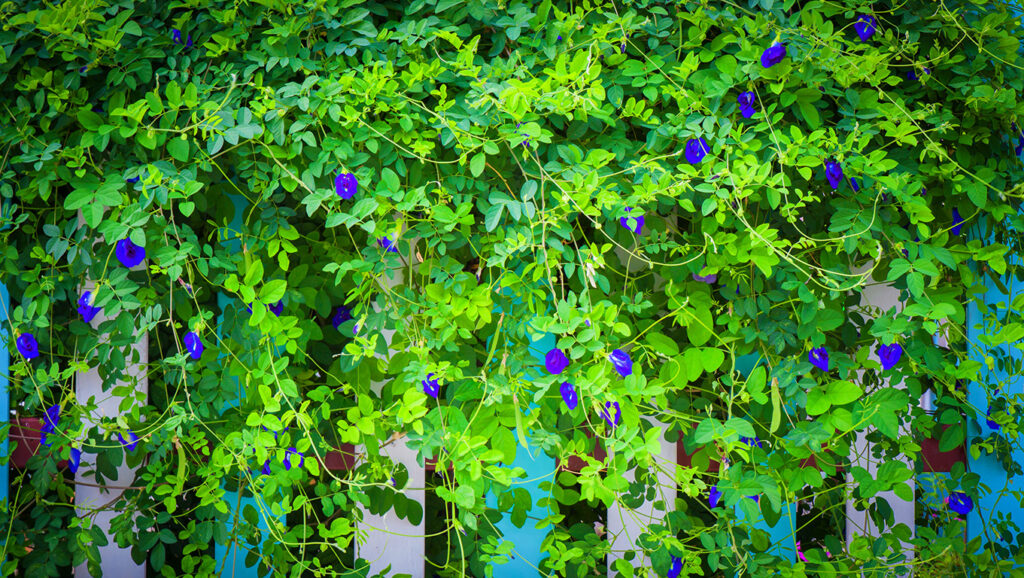
Butterfly pea is a tropical flowering vine best known for its brilliant blue blossoms. The flowers have long been used as a natural food colorant, herbal infusion and traditional botanical preparation, particularly throughout South and Southeast Asia.
Botanical Snapshot
Common Name: Butterfly Pea, Blue Pea, Butterfly Pea Flower
Botanical Name: Clitoria ternatea
Plant Family: Fabaceae
Plant Type: Perennial climbing vine
Native Range: Tropical Africa and Asia; now widely cultivated in tropical regions
Part Commonly Used: Flowers
Herbal Use & Bioactive Compounds
Butterfly pea has a long history in Ayurvedic medicine, where different parts of the plant have been used in preparations associated with memory, stress and general wellness. Modern research has identified anthocyanins, flavonoids, triterpenoids and other naturally occurring compounds.
The vivid blue color comes primarily from specialized anthocyanins called ternatins. Laboratory studies have explored antioxidant, anti-inflammatory and other biological activities, but human clinical evidence remains limited.
Culinary Use & Common Forms
Butterfly pea flowers are commonly steeped as a naturally caffeine-free herbal tea and used to color rice, desserts and beverages. They are especially prominent in Thai, Malaysian and other Southeast Asian cuisines.
The blue anthocyanin pigments are sensitive to acidity, which is why adding lemon or another acidic ingredient can shift a butterfly pea infusion from blue toward purple or pink.
Common forms include dried whole flowers, loose tea, powders and extracts.
Safety & Considerations
Butterfly pea flowers have a long history of culinary use. Concentrated extracts and medicinal doses, however, have considerably less human safety data than ordinary food and tea preparations.
People who are pregnant, breastfeeding, taking medications or considering concentrated supplements should seek guidance from an appropriate healthcare professional.
Sourcing & Sustainability
Look for correctly identified Clitoria ternatea intended for culinary or herbal use, particularly when purchasing dried flowers or powders.
Because butterfly pea is widely cultivated as an ornamental, food plant and agricultural crop, cultivated sources are readily available in many regions.
Spiritual, Magical & Folk Traditions
In India, butterfly pea is also known as aparajita, meaning “unconquered,” and has associations with Hindu devotional traditions and the goddess Aparajita or Durga.
These religious and symbolic associations belong to specific cultural traditions and should be distinguished from modern generalized metaphysical correspondences.
Cultural & Traditional Uses
Butterfly pea has a longstanding place in Ayurvedic tradition and in the food cultures of South and Southeast Asia.
Its flowers are traditionally used to produce naturally blue foods and drinks, including Malaysian nasi kerabu and blue-colored rice preparations found elsewhere in the region.
Related Articles & Resources
Related terms include Anthocyanin, Flavonoid and Polyphenol.
A Note on Herbal Information
The information in this profile is provided for educational purposes and reflects a mix of botanical reference material, historical use, traditional practices and contemporary perspectives. It is not intended to diagnose, treat, cure or prevent disease, and it should not replace advice from a qualified healthcare professional.
Explore More Botanicals
Return to the Botanical Glossary to explore herbs, roots, flowers, spices and other botanicals along with their traditional uses, history, folklore and modern context.
A little flower with a brilliant blue surprise. 💙🌿