
Burdock / Arctium lappa
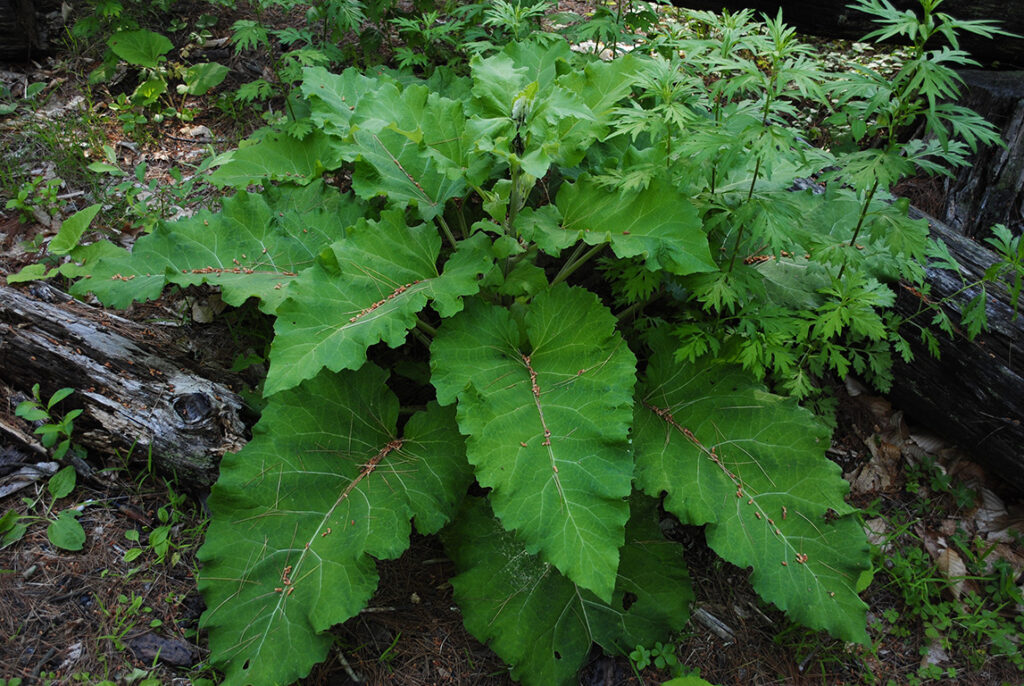
Burdock is a large biennial plant recognized by its deep taproot, broad leaves and hooked burrs that readily cling to clothing and animal fur. Native to temperate Eurasia and now naturalized widely, it has a long history as both a food and traditional herbal plant.
Botanical Snapshot
Common Name: Burdock, Greater Burdock, Gobo
Botanical Name: Arctium lappa
Plant Family: Asteraceae
Plant Type: Biennial herb
Native Range: Temperate Eurasia; widely naturalized elsewhere
Part Commonly Used: Root; seeds/fruits and leaves are also used in some traditions
Herbal Use & Bioactive Compounds
Burdock root has traditionally been used in European and Asian herbal practices, particularly in preparations associated with the skin, digestion and general wellness.
The root is naturally rich in inulin-type fructans and contains chlorogenic acids, lignans, quercetin and other polyphenolic compounds. Laboratory and animal research has explored antioxidant, anti-inflammatory and metabolic effects, but human clinical evidence remains limited.
Culinary Use & Common Forms
Burdock root is eaten as a vegetable, especially in East Asian cuisine. In Japan it is known as gobō and is used in stir-fries, soups, simmered dishes and preparations such as kinpira gobō.
Herbal products may also contain dried root, tea, tincture or extracts.
Safety & Considerations
Burdock is commonly eaten as food, but concentrated herbal preparations have been studied far less extensively. People sensitive to plants in the Asteraceae family may also be sensitive to burdock.
Because the root contains substantial amounts of fermentable inulin-type fiber, larger amounts may cause digestive discomfort in some people.
Sourcing & Sustainability
When purchasing burdock for herbal or culinary use, look for correctly identified Arctium lappa from a reputable source.
Burdock readily naturalizes and can behave as an invasive weed in some regions. Because harvesting the deep root removes the entire plant, cultivated sources are generally preferable when the root is being used commercially.
Spiritual, Magical & Folk Traditions
Burdock has an unusual place in Scottish folk tradition. Each August in South Queensferry, the Burry Man walks through the town covered almost entirely in burdock burrs as part of a centuries-old local custom.
The original meaning of the ceremony has been lost; interpretations involving good fortune, harvest or protection remain folklore rather than established historical fact.
Cultural & Indigenous Uses
Burdock root has a particularly strong culinary history in Japan, where gobō has been cultivated and eaten for centuries. Historical records describe it as a food by the Heian period, and cultivated varieties became firmly established in Japanese food culture during later centuries.
Related Articles & Resources
Related terms include Bioactive Compound, Polyphenol and Flavonoid.
A Note on Herbal Information
The information in this profile is provided for educational purposes and reflects a mix of botanical reference material, historical use, traditional practices and contemporary perspectives. It is not intended to diagnose, treat, cure or prevent disease, and it should not replace advice from a qualified healthcare professional.
Explore More Botanicals
Return to the Botanical Glossary to explore herbs, roots, flowers, spices and other botanicals along with their traditional uses, history, folklore and modern context.
Deep roots, tenacious spirit. 🌿