
Beet Root / Beta vulgaris
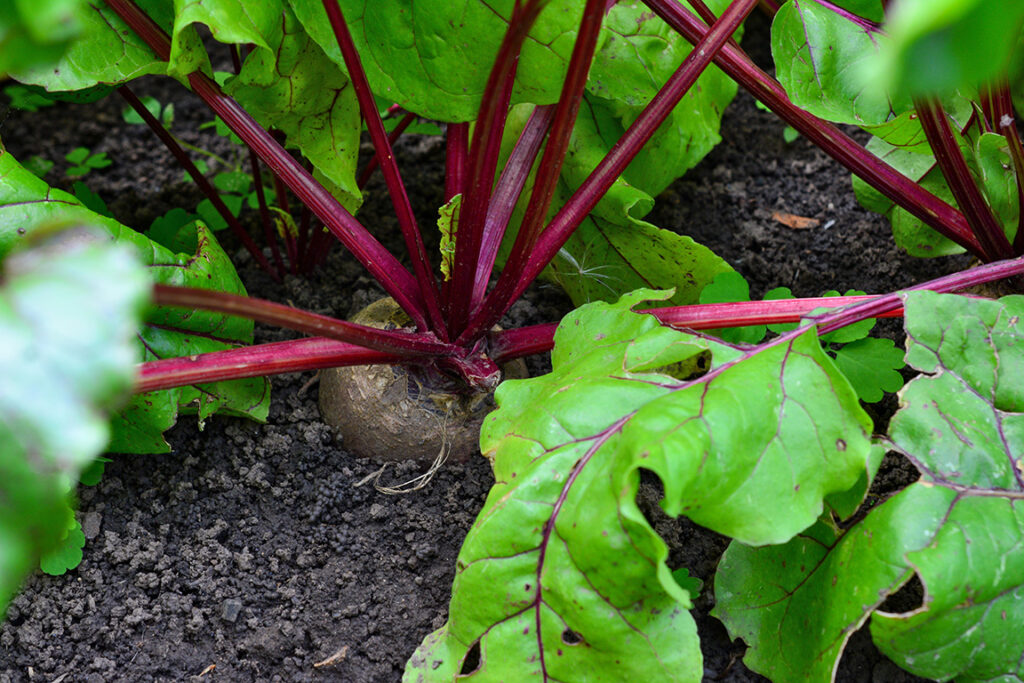
Beet root, or beetroot, is the swollen root of Beta vulgaris, a plant cultivated for centuries as both food and medicine. Known for its deep red color and earthy flavor, beet root is rich in naturally occurring pigments and dietary nitrate and is commonly eaten fresh, cooked, pickled or juiced.
Botanical Snapshot
Common Name: Beet, Beet Root, Beetroot, Table Beet
Botanical Name: Beta vulgaris L.
Plant Family: Amaranthaceae
Plant Type: Biennial root vegetable
Native Range: Cultivated beet developed from wild beet populations native to parts of the Mediterranean, Europe and western Asia
Part Commonly Used: Root; leaves are also edible
Herbal Use & Bioactive Compounds
Beet root has traditionally been valued as a nourishing food and used in various folk and herbal practices. Its notable bioactive compounds include dietary nitrate, polyphenols and colorful pigments called betalains, including betanin.
Modern research has focused particularly on beet root juice and dietary nitrate. Nitrate can be converted in the body to nitric oxide, which plays a role in blood-vessel function and circulation. Studies have explored beet root for blood pressure and physical performance, with some benefits reported, although results vary and beet root should not be considered a replacement for medical treatment.
Culinary Use & Common Forms
Beet root may be eaten raw, roasted, boiled, steamed or pickled and is commonly used in salads, soups, juices and other dishes. The edible greens may also be cooked much like other leafy vegetables.
Common forms include fresh or cooked root, juice, dried powder and concentrated beet root products.
Safety & Considerations
Beet root is generally considered a food when consumed in typical culinary amounts. Its pigments can temporarily turn urine or stool pink or red, a harmless effect known as beeturia.
Beets also contain oxalates, which may be relevant for people who form certain calcium oxalate kidney stones. Because concentrated beet juice can affect blood pressure, people with low blood pressure or those taking blood-pressure medication should discuss frequent or concentrated use with a healthcare professional.
Sourcing & Sustainability
Choose fresh, firm beets or clearly labeled food-grade powders and juices from reputable sources. Concentrated powders, extracts and juices can vary substantially in nitrate and other compounds and should not automatically be considered equivalent to eating the whole root.
Beets are widely cultivated, so sourcing generally depends more on product quality, farming practices and processing than on pressure from wild harvesting.
Related Articles & Resources
Related terms include Bioactive Compound, Polyphenol and Antioxidant.
A Note on Herbal Information
The information in this profile is provided for educational purposes and reflects a mix of botanical reference material, historical use, traditional practices and contemporary perspectives. It is not intended to diagnose, treat, cure or prevent disease, and it should not replace advice from a qualified healthcare professional.
Explore More Botanicals
Return to the Botanical Glossary to explore herbs, roots, flowers, spices and other botanicals along with their traditional uses, history, folklore and modern context.
Rooted in the earth. Brilliant by nature. ❤️🌿