
Arrowroot / Maranta arundinacea
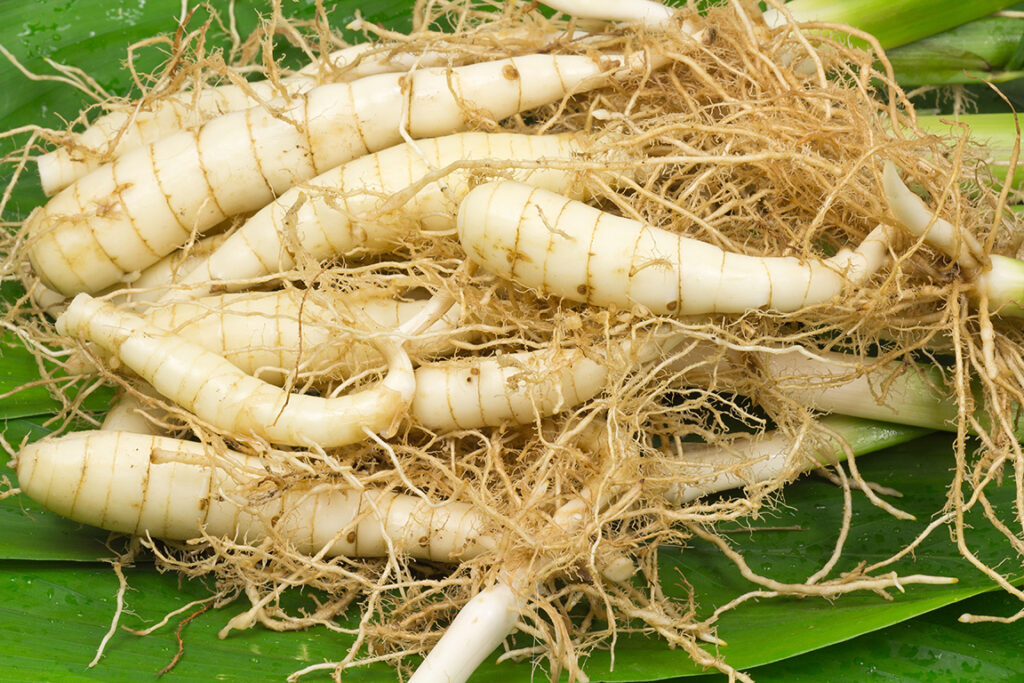
Arrowroot is a tropical perennial best known for the fine starch extracted from its rhizomes. Traditionally used as a mild, easily prepared food, it remains popular today as a culinary thickener.
Botanical Snapshot
Common Name: Arrowroot, West Indian Arrowroot
Botanical Name: Maranta arundinacea L.
Plant Family: Marantaceae
Plant Type: Rhizomatous herbaceous perennial
Native Range: Mexico through tropical America
Part Commonly Used: Rhizome, particularly the extracted starch
Herbal Use & Bioactive Compounds
Arrowroot has traditionally been used as a simple food during digestive upset, illness and recovery. Its primary modern use is culinary rather than medicinal.
The rhizome is rich in starch and also contains naturally occurring phenolic and flavonoid compounds. Research into concentrated extracts and specific therapeutic effects remains limited.
Culinary Use & Common Forms
Arrowroot is most commonly sold as a fine white starch or powder used to thicken sauces, gravies, puddings, pie fillings and other foods. It has a neutral flavor and is also used in some gluten-free baking and cooking.
Safety & Considerations
Arrowroot starch is widely consumed as a food ingredient and is generally considered appropriate in ordinary culinary amounts. Research on concentrated extracts or medicinal dosing is limited.
Sourcing & Sustainability
The name arrowroot may be applied to starches from several different plants. When genuine arrowroot is desired, look for products identified as Maranta arundinacea.
Spiritual, Magical & Folk Traditions
Ethnobotanical records from the Guianas document Maranta arundinacea among plants used as charms by some Indigenous communities. These traditions are culturally specific and should not be generalized into universal magical meanings for arrowroot.
Cultural & Indigenous Uses
Arrowroot has a long history of human use in tropical America. Archaeological evidence from Panama has identified Maranta arundinacea starch on ancient grinding tools dating back several thousand years, indicating its importance as an early cultivated food plant.
Related Articles & Resources
Related terms include Bioactive Compound, Flavonoid and Polyphenol.
A Note on Herbal Information
The information in this profile is provided for educational purposes and reflects a mix of botanical reference material, historical use, traditional practices and contemporary perspectives. It is not intended to diagnose, treat, cure or prevent disease, and it should not replace advice from a qualified healthcare professional.
Explore More Botanicals
Return to the Botanical Glossary to explore herbs, roots, flowers, spices and other botanicals along with their traditional uses, history, folklore and modern context.
Simple starch, ancient roots. 🌿