
Allspice / Pimenta dioica
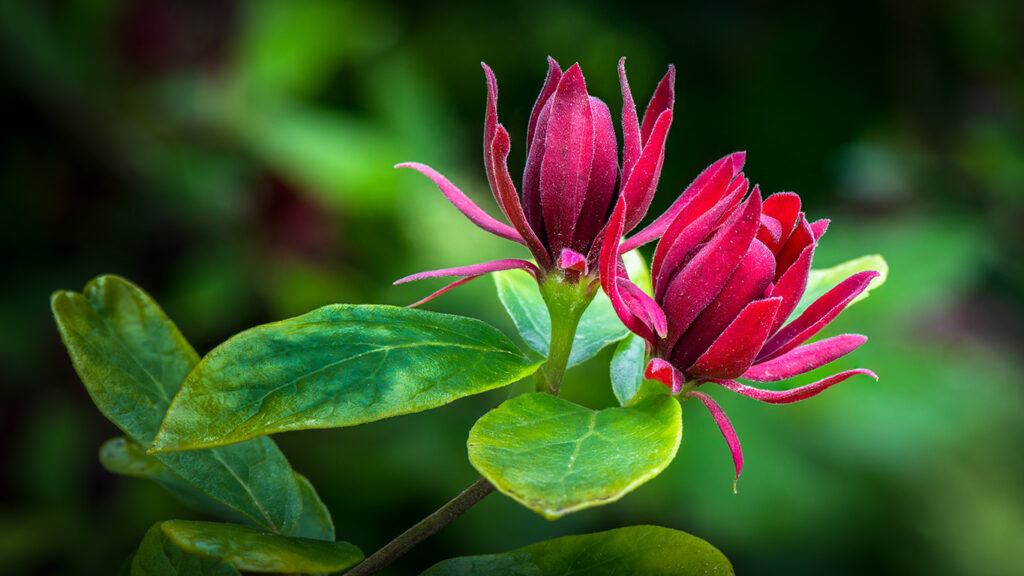
Allspice is the dried, unripe fruit of Pimenta dioica, an aromatic evergreen tree native to the Caribbean, southern Mexico and Central America. Despite its name, allspice is not a spice blend. Its warm aroma is often compared with clove, cinnamon and nutmeg, and it has long been valued in both cooking and traditional herbal practice.
Botanical Snapshot
Common Name: Allspice, Pimento, Jamaica Pepper
Botanical Name: Pimenta dioica (L.) Merr.
Plant Family: Myrtaceae
Plant Type: Tropical evergreen tree
Native Range: Caribbean, southern Mexico and Central America
Part Commonly Used: Dried unripe berries; leaves and essential oil are also used
Herbal Use & Bioactive Compounds
Allspice has traditionally been used for digestive discomfort, menstrual complaints, colds and minor aches. These uses reflect traditional practice rather than established medical treatment.
Its notable bioactive compounds include eugenol, gallic acid, quercetin and other polyphenols and flavonoids. Eugenol is also a major component of allspice volatile oil. Laboratory and preclinical studies have explored antioxidant, antimicrobial and anti-inflammatory activity, but human clinical evidence remains limited.
Culinary Use & Common Forms
Allspice is widely used in Caribbean cuisine, especially Jamaican cooking and jerk seasoning. It also appears in stews, sauces, pickling blends, baked goods and beverages.
The berries are most commonly sold whole or ground, with whole berries generally retaining their aroma longer.
Safety & Considerations
Culinary use of allspice is different from using concentrated extracts or essential oil. Eugenol-rich oils can cause irritation or allergic reactions in some people, and concentrated products should be used cautiously.
People who are pregnant, breastfeeding, taking medications or considering medicinal amounts should consult a qualified healthcare professional.
Sourcing & Sustainability
Look for products clearly identified as Pimenta dioica, especially when purchasing extracts or essential oils. For culinary use, whole berries from a reputable source generally offer the best opportunity to assess freshness and quality.
Spiritual, Magical & Folk Traditions
In contemporary folk-magic and herbal traditions, allspice is sometimes associated with prosperity, good fortune, vitality and protection.
These associations reflect spiritual and folkloric traditions rather than scientific evidence.
Cultural & Indigenous Uses
Allspice has deep roots in Caribbean and Mesoamerican foodways and traditional plant use. It was known and used in the region before widespread European trade and remains especially important in Jamaican culinary culture.
Related Articles & Resources
Related terms include Bioactive Compound, Flavonoid, Polyphenol, Antioxidant and Volatile Oil.
A Note on Herbal Information
The information in this profile is provided for educational purposes and reflects a mix of botanical reference material, historical use, traditional practices and contemporary perspectives. It is not intended to diagnose, treat, cure or prevent disease, and it should not replace advice from a qualified healthcare professional.
Explore More Botanicals
Return to the Botanical Glossary to explore herbs, roots, flowers, spices and other botanicals along with their traditional uses, history, folklore and modern context.
One berry. A whole world of spice. 🌿