
Paprika / Capsicum annuum
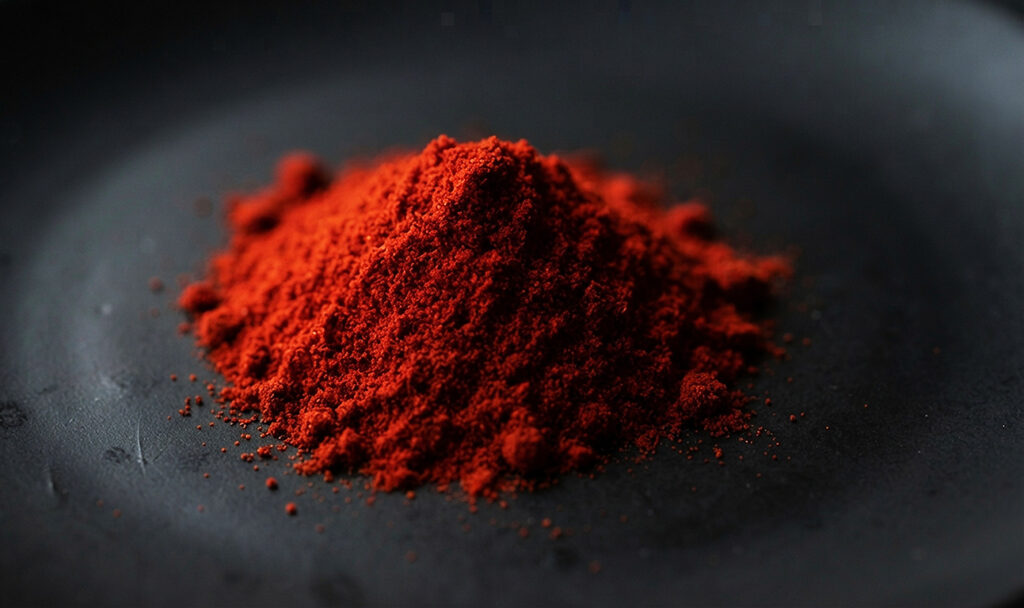
Paprika is a vibrant red spice made from dried, ground peppers, primarily varieties of Capsicum annuum. Valued for its rich color and flavor, paprika ranges from mild and sweet to distinctly hot and is an important seasoning in many European and international cuisines.
Botanical Snapshot
Common name: Paprika
Botanical name: Capsicum annuum L.
Plant family: Solanaceae (nightshade family)
Plant type: Herbaceous annual or tender perennial
Native range: Americas
Part commonly used: Ripe fruit, dried and ground
Herbal Use & Bioactive Compounds
Paprika contains carotenoids, particularly capsanthin and capsorubin, responsible for its characteristic red color. It also contains other antioxidant compounds and varying amounts of capsaicin, the compound responsible for pepper heat.
Although these compounds have been studied for their biological activity, research specifically demonstrating health benefits from ordinary culinary amounts of paprika is limited.
Culinary Use & Common Forms
Paprika adds color, flavor and varying degrees of heat to soups, stews, sauces, meats, vegetables and spice blends.
Common varieties include:
- Sweet Paprika: Mild, slightly sweet and generally without noticeable heat.
- Hot Paprika: Made with hotter pepper varieties, providing a noticeable kick.
- Smoked Paprika: Dried over wood smoke for a rich, smoky flavor; available in both sweet and hot varieties.
- Hungarian Paprika: Traditionally produced in several grades, ranging from mild and delicate to robust and hot.
Paprika’s heat depends on the pepper varieties used and their capsaicin content. Unlike cayenne, many paprika powders contribute more flavor and color than heat.
Safety & Considerations
Paprika is generally safe in normal culinary amounts. Hot varieties may irritate sensitive mouths or digestive systems, while individuals with pepper allergies should avoid it.
Concentrated paprika extracts and oleoresins are more potent than the culinary spice and should be used only as directed.
Sourcing & Sustainability
Paprika peppers are widely cultivated and are not generally considered threatened.
Ground paprika may occasionally be adulterated with unauthorized colorants or contaminated with heavy metals. Choose reputable suppliers with appropriate quality testing, particularly for imported powders.
Spiritual, Magical & Folk Traditions
As a red pepper spice, paprika is sometimes associated in contemporary folk and spiritual practices with warmth, vitality, protection and energy.
These associations are less historically established for paprika specifically than for chili peppers generally.
Cultural & Indigenous Uses
Although Capsicum peppers originated in the Americas, paprika developed into a distinctive spice tradition in Europe, particularly in Hungary and Spain.
Hungarian paprika became central to dishes such as goulash and paprikash, while Spanish pimentón, especially smoked varieties, became an important ingredient in traditional regional cooking.
Related Articles & Resources
Explore Cayenne and Chili Peppers for more about the Capsicum genus and its many varieties.
Related terms include Carotenoid, Antioxidant and Bioactive Compound.
For additional information:
University of Illinois Extension — Sweet, Hot, or Smoked Paprika?
A Note on Herbal Information
The information in this profile is provided for educational purposes and reflects a mix of botanical reference material, historical use, traditional practices and contemporary perspectives. It is not intended to diagnose, treat, cure or prevent disease, and it should not replace advice from a qualified healthcare professional.
Explore More Botanicals
Return to the Botanical Glossary to explore herbs, roots, flowers, spices and other botanicals along with their traditional uses, history, folklore and modern context.
From sweet warmth to smoky fire, a little paprika brings color to the table. 🌶️