
Cayenne / Capsicum annuum
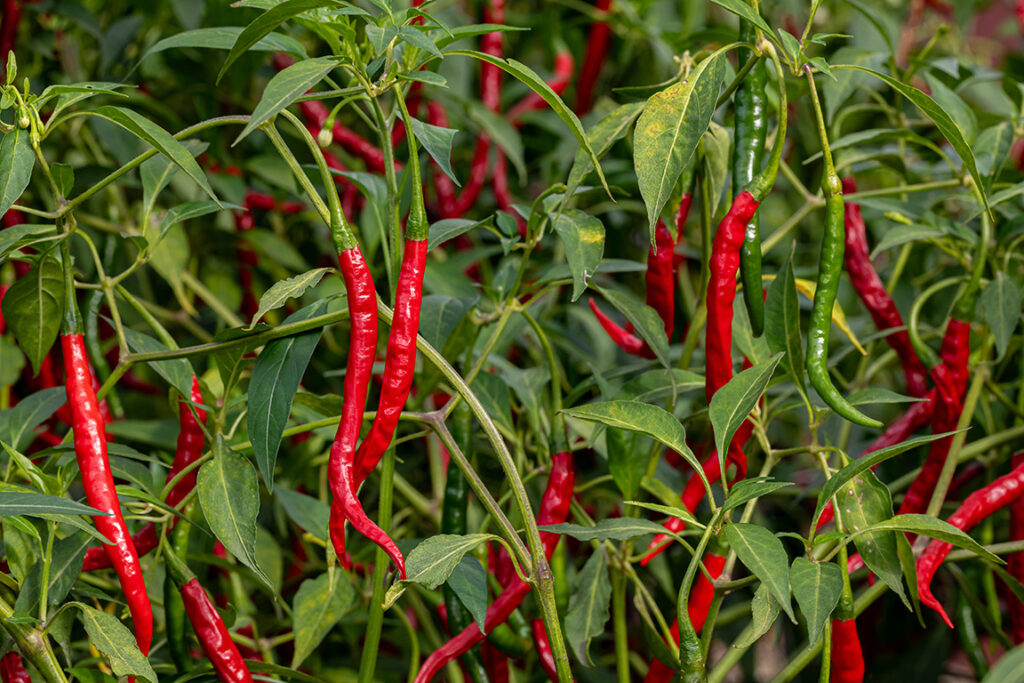
Cayenne is a hot chili pepper best known for its fiery flavor and the naturally occurring compound capsaicin, which produces its characteristic heat. A member of the nightshade family, cayenne has a long history as both a food and a traditional herbal preparation.
Botanical Snapshot
Common Name: Cayenne, Cayenne Pepper
Botanical Name: Capsicum annuum
Plant Family: Solanaceae
Plant Type: Tender perennial commonly grown as an annual
Native Range: Tropical Americas; Capsicum annuum was domesticated in Mexico
Part Commonly Used: Ripe fruit
Herbal Use & Bioactive Compounds
Cayenne has traditionally been used as a warming and stimulating herb and in preparations intended to support digestion and circulation. Its best-known constituents are capsaicinoids, particularly capsaicin and dihydrocapsaicin, which are responsible for the pepper’s pungency.
The fruit also contains carotenoids, flavonoids, polyphenols and other naturally occurring compounds. Capsaicin has been extensively studied for its effects on sensory nerves and pain signaling, and standardized topical capsaicin is used in some over-the-counter and prescription pain-relief products. Research into other proposed health effects of cayenne and capsaicin continues, but laboratory findings should not be treated as established clinical benefits.
Culinary Use & Common Forms
Cayenne is widely used to add heat and flavor to foods including soups, sauces, stews, spice blends, marinades and hot sauces. The ripe peppers may be used fresh, but they are especially familiar in dried whole, flaked or powdered form.
Herbal products may also include cayenne in capsules, tinctures and topical creams or ointments.
Safety & Considerations
Cayenne peppers commonly fall around 25,000–50,000 Scoville Heat Units, although heat varies among cultivars and growing conditions. Their capsaicin content can irritate the mouth, throat, stomach, skin and eyes, particularly when cayenne is used in concentrated amounts.
Cayenne powder should be handled carefully to avoid inhalation or accidental contact with the eyes and other sensitive tissues. Topical capsaicin products may cause temporary burning, warmth or redness and should not be applied to broken or irritated skin. Wash hands thoroughly after handling cayenne or topical preparations.
Medicinal or supplemental amounts may not be appropriate for everyone, particularly for people with certain health conditions or those taking medications. When using concentrated cayenne or capsaicin products, follow product directions and consult a qualified healthcare professional when appropriate.
Sourcing & Sustainability
Look for cayenne products that clearly identify the pepper as Capsicum annuum and list only the expected ingredients. Ground spices should have a rich red color and strong aroma and should be stored tightly sealed away from heat, moisture and light.
Cayenne is widely cultivated and is not generally associated with significant wild-harvesting concerns. Choosing reputable growers and spice suppliers helps support accurate identification, freshness and responsible agricultural practices.
Spiritual, Magical & Folk Traditions
Because of its intense heat and vivid red color, cayenne has become associated in various later folk and magical traditions with fire, energy, protection, courage and driving away unwanted influences.
Cultural & Indigenous Uses
Chili peppers are native to the Americas and have been part of Indigenous foodways for thousands of years. Archaeological, genetic and linguistic evidence shows that Capsicum annuum was domesticated in Mexico through a complex process involving multiple regions and communities rather than a single simple point of origin.
Following European contact with the Americas, chili peppers spread rapidly through trade routes and became deeply integrated into cuisines throughout Africa, Asia, Europe and other parts of the world.
Related Articles & Resources
Related glossary terms include Analgesic, Anti-inflammatory, Antioxidant and Bioactive Compound.
For additional information about capsaicin and pain, see see MedlinePlus — Capsaicin Topical from the U.S. National Library of Medicine.
A Note on Herbal Information
The information in this profile is provided for educational purposes and reflects a mix of botanical reference material, historical use, traditional practices and contemporary perspectives. It is not intended to diagnose, treat, cure or prevent disease, and it should not replace advice from a qualified healthcare professional.
Explore More Botanicals
Return to the Botanical Glossary to explore herbs, roots, flowers, spices and other botanicals along with their traditional uses, history, folklore and modern context.
A little pepper with a whole lot of fire. 🌶️