
Chili Peppers / Capsicum spp.
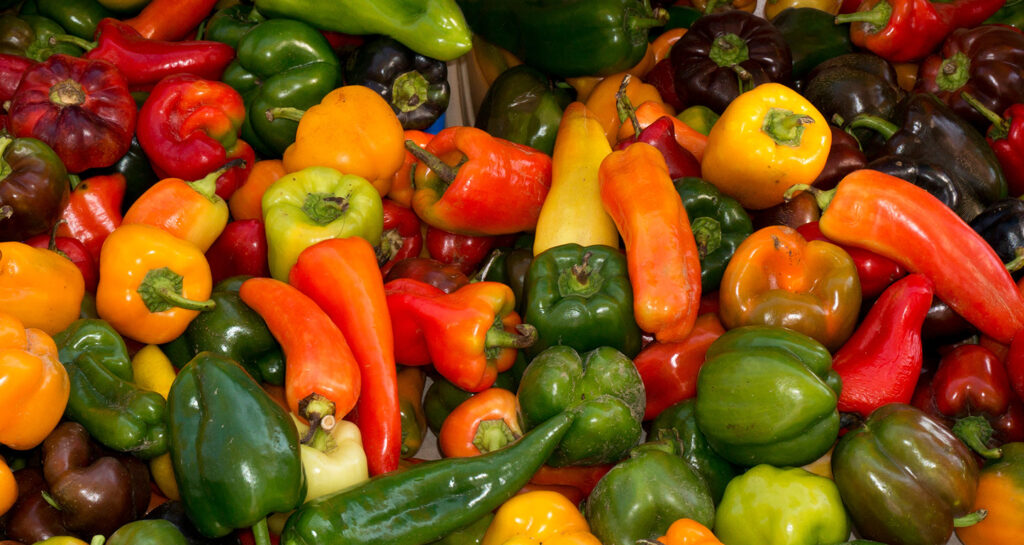
Chili peppers are the fruits of plants in the Capsicum genus, ranging from mild, sweet varieties to intensely hot peppers. Native to the Americas, they have been cultivated for thousands of years and are now essential ingredients in cuisines worldwide.
Botanical Snapshot
Common name: Chili Peppers, Chile Peppers, Chilies
Botanical name: Capsicum spp.
Plant family: Solanaceae (nightshade family)
Plant type: Herbaceous annuals or tender perennials
Native range: Tropical and subtropical Americas
Part commonly used: Fruit
Herbal Use & Bioactive Compounds
Hot chili peppers contain capsaicinoids, particularly capsaicin, responsible for their characteristic heat. They also provide carotenoids, flavonoids and vitamin C, with concentrations varying by species, variety and preparation.
Capsaicin has been studied for its effects on pain signaling and is an established ingredient in certain topical pain-relief products. Other proposed health benefits from consuming chili peppers remain under investigation.
Culinary Use & Common Forms
Chili peppers are used fresh, dried, powdered, roasted, smoked or incorporated into sauces and spice blends.
Common varieties and preparations include jalapeños, habaneros, cayenne, paprika, chipotle and crushed red pepper flakes.
Heat is commonly measured using Scoville Heat Units (SHU), ranging from zero in sweet peppers to more than one million in exceptionally hot varieties.
Safety & Considerations
Hot peppers can irritate the mouth, stomach, skin and eyes. Handle very hot varieties carefully, and wash hands and utensils after preparation.
Concentrated capsaicin products require additional precautions. Topical preparations should be used according to product directions and kept away from broken skin, eyes and mucous membranes.
Sourcing & Sustainability
Chili peppers are widely cultivated and are not generally threatened as a group.
For dried peppers and powders, choose reputable suppliers who provide accurate botanical identification and appropriate quality controls, particularly for contamination and adulteration.
Spiritual, Magical & Folk Traditions
Chili peppers are associated in various folk traditions with protection, strength, vitality and warding off unwanted influences.
Dried pepper strings and arrangements are sometimes used symbolically in homes, while contemporary spiritual practices may incorporate chili peppers into protection and cleansing rituals.
Cultural & Indigenous Uses
Chili peppers were cultivated by Indigenous peoples throughout Mesoamerica and South America thousands of years before European contact.
They became important ingredients in regional food traditions, including those of the Maya and other Mesoamerican cultures. Following European contact, chili peppers spread through international trade and became deeply integrated into cuisines across Asia, Africa and Europe.
Related Articles & Resources
Explore Cayenne and Paprika for a closer look at two familiar pepper preparations.
Related terms include Carotenoid, Flavonoid, Bioactive Compound and Analgesic.
For additional information: University of Florida IFAS — Peppers Ranked by Heat
A Note on Herbal Information
The information in this profile is provided for educational purposes and reflects a mix of botanical reference material, historical use, traditional practices and contemporary perspectives. It is not intended to diagnose, treat, cure or prevent disease, and it should not replace advice from a qualified healthcare professional.
Explore More Botanicals
Return to the Botanical Glossary to explore herbs, roots, flowers, spices and other botanicals along with their traditional uses, history, folklore and modern context.
From gentle warmth to fiery heat, a world of flavor in every pepper. 🌶️