
Maca Root / Lepidium meyenii
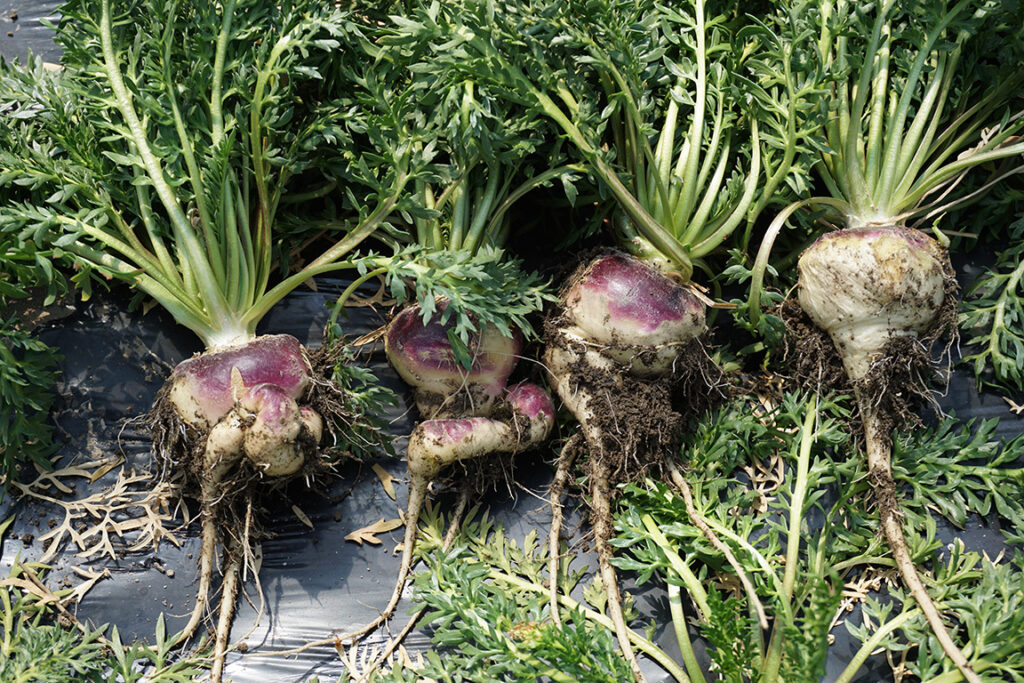
Maca is a hardy Andean plant cultivated at extremely high elevations in Peru, where its enlarged underground portion has been valued as both a food and traditional herbal preparation for centuries. Often called maca root, the harvested portion is botanically an enlarged hypocotyl and root-like storage organ.
Today, maca is widely sold as a powder, food ingredient and dietary supplement, particularly in products marketed for energy, stamina, sexual wellness and reproductive health. Modern research has explored many of these uses, but clinical evidence remains limited.
Botanical Snapshot
Common Name: Maca, Maca Root, Peruvian Maca
Botanical Name: Lepidium meyenii
Plant Family: Brassicaceae
Plant Type: Herbaceous high-altitude crop
Native Range: Central Andes of Peru and neighboring Andean regions
Part Commonly Used: Enlarged underground hypocotyl and root
Herbal Use & Bioactive Compounds
Maca has traditionally been used as a nourishing food and restorative preparation associated with strength, stamina, fertility and sexual vitality.
Its naturally occurring constituents include macamides, macaenes, glucosinolates, alkaloids, polysaccharides, polyphenols and plant sterols. Macamides are particularly associated with dried maca and are influenced by traditional post-harvest drying and processing.
Human studies have investigated maca for sexual desire, sexual function, menopausal symptoms, fertility and physical performance. Some results are promising, particularly in sexual-health research, but studies tend to be small and results are not consistent enough to establish maca as a treatment for these conditions.
Maca is also frequently marketed as an adaptogen, although this modern wellness classification extends beyond what has been firmly demonstrated in human clinical studies.
Culinary Use & Common Forms
Maca has traditionally been eaten as a food in the Peruvian Andes rather than simply taken as an herbal supplement. The underground portion may be cooked, baked, prepared as porridge or used in fermented beverages. Traditionally dried maca can also be milled into flour.
Modern products commonly include dried maca powder, capsules, extracts and gelatinized maca. Gelatinized maca has been processed with heat and moisture, altering its starch and producing a preparation that some people find easier to mix and digest.
Maca occurs naturally in several colors, commonly described as yellow, red and black maca. These varieties can differ somewhat in their chemical composition, but claims that individual colors produce distinctly different health effects remain under investigation.
Safety & Considerations
Maca has generally been well tolerated in the relatively small and short-term human studies conducted so far. Long-term safety information and research involving highly concentrated extracts remain limited.
Safety during pregnancy and breastfeeding has not been adequately established, so concentrated maca supplements are best avoided unless their use has been discussed with a qualified healthcare professional.
Because research into maca and hormone-related effects remains incomplete, people with hormone-sensitive medical conditions should discuss concentrated maca supplements with their healthcare provider.
Maca has also been reported to interfere with certain laboratory tests used to measure testosterone, so people undergoing hormone testing should let their healthcare provider know if they are using maca supplements.
Sourcing & Sustainability
Look for products clearly identified as Lepidium meyenii. The name Lepidium peruvianum also appears on some products and older references; it is currently treated botanically as a synonym of Lepidium meyenii.
Growing location, maca variety, drying methods and processing can all influence the chemical profile of the finished product. Traditional Andean drying is particularly important to the development of macamides found in dried maca.
Because international demand has greatly expanded maca production beyond its traditional growing regions, reputable sourcing and clear geographic origin can help consumers evaluate product quality.
Cultural & Indigenous Uses
Maca has been cultivated in the highlands of Peru for at least 2,000 years, particularly in the harsh puna environment of the central Andes where relatively few food crops thrive.
For generations, Andean communities have valued maca as an important food crop, preparing it roasted, cooked, dried, ground into flour and made into beverages. Historical accounts also describe its importance during the Inca period, including ceremonial uses as well as its value as food.
Maca remains strongly connected with Peruvian agricultural and cultural heritage even as it has become an internationally marketed food and supplement.
Related Articles & Resources
Related terms include Adaptogen, Bioactive Compound, Polyphenol and Polysaccharide.
For an approachable overview of maca’s traditional use, history and research, see the PubMed review — Ethnobiology and Ethnopharmacology of Lepidium meyenii (Maca), a Plant from the Peruvian Highlands.
For a more recent overview of maca’s chemistry and current research, see the PubMed review — Exploring the Chemical and Pharmacological Variability of Lepidium meyenii: A Comprehensive Review of the Effects of Maca.
A Note on Herbal Information
The information in this profile is provided for educational purposes and reflects a mix of botanical reference material, historical use, traditional practices and contemporary perspectives. It is not intended to diagnose, treat, cure or prevent disease, and it should not replace advice from a qualified healthcare professional.
Explore More Botanicals
Return to the Botanical Glossary to explore herbs, roots, flowers, spices and other botanicals along with their traditional uses, history, folklore and modern context.
High-altitude roots with deep Andean roots. 🌱