
Nettle Leaf / Urtica dioica
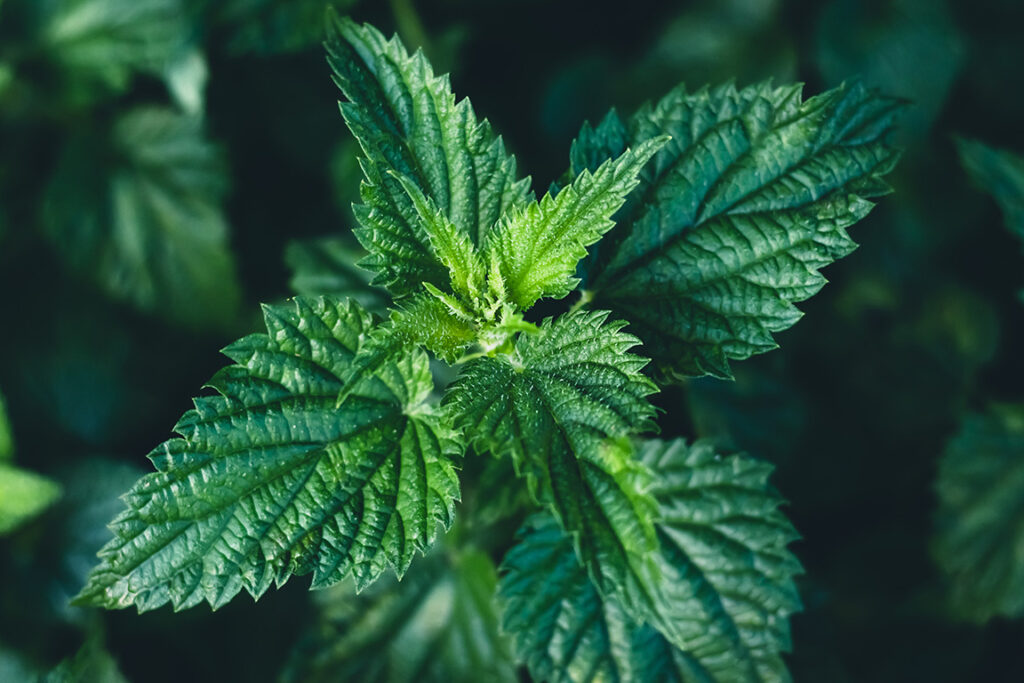
Nettle leaf comes from stinging nettle, a hardy perennial herb recognized by the fine stinging hairs covering its fresh leaves and stems. Once properly dried or cooked, the leaf has a long history as both a nourishing food and an herbal preparation.
Nettle leaf is commonly prepared as tea or infusion and has traditionally been used to support urinary function and general nourishment. It should not be confused with nettle root, which comes from the same plant but has different traditional uses and a different research profile.
Botanical Snapshot
Common Name: Nettle Leaf, Stinging Nettle
Botanical Name: Urtica dioica
Plant Family: Urticaceae
Plant Type: Herbaceous perennial
Growing Range: Widely distributed through temperate regions of Europe, Asia, North America and other parts of the world
Part Commonly Used: Leaves and young aerial portions
Herbal Use & Bioactive Compounds
Nettle leaf has traditionally been used as a nourishing herb and in preparations intended to support urinary flow. The European Medicines Agency recognizes nettle leaf as a traditional herbal medicine used to increase urine production as an aid in minor urinary complaints; this recognition is based on longstanding traditional use rather than strong clinical evidence.
The leaves contain a broad range of naturally occurring nutrients and bioactive compounds, including polyphenols, flavonoids, carotenoids, chlorophyll, vitamins and minerals. Research has identified compounds such as rutin and kaempferol as well as various phenolic acids and other plant constituents. Laboratory and preclinical studies have explored antioxidant and anti-inflammatory activity, but clinical evidence for many commonly promoted health benefits remains limited.
Culinary Use & Common Forms
Young nettle leaves have a long history as a cooked green and may be added to soups, stews, sauces and other dishes much like spinach or other leafy greens. The fresh plant should be handled carefully because its stinging hairs can cause immediate skin irritation.
Dried nettle leaf is commonly used for tea and herbal infusions and may also be found as powder, capsules, tinctures and extracts. Nettle’s combination of leafy nutrients and plant compounds has also contributed to its use as an ingredient in contemporary foods and herbal blends.
Safety & Considerations
Fresh nettle leaves and stems are covered with stinging hairs that can cause burning, itching and a temporary rash when they contact the skin. Gloves are helpful when harvesting or handling the fresh plant.
Nettle leaf preparations are generally well tolerated, although mild digestive upset or allergic reactions can occur. Medicinal use intended to increase urine production is not appropriate for people who have been advised to restrict fluid intake because of serious heart or kidney conditions.
Safety during pregnancy and breastfeeding has not been adequately established for medicinal nettle preparations, so medicinal use is generally not recommended during these periods without professional guidance.
Sourcing & Sustainability
Nettle grows readily in many temperate regions and is not generally considered threatened by commercial harvesting. Dried herbal products should clearly identify the plant as Urtica dioica and come from a reputable source.
When gathering nettle from the wild, accurate identification is important. Stinging nettle should not be confused simply by name with plants such as dead-nettle (Lamium species), which belong to the mint family and do not have the characteristic sting.
Avoid harvesting from roadsides, sprayed areas or other locations where plants may have been exposed to pollutants or chemicals.
Spiritual, Magical & Folk Traditions
Nettle’s sting and hardy growth have contributed to longstanding folk associations with protection, strength, resilience and boundaries.
In contemporary magical and folk practice, dried nettle may be incorporated into protective sachets, incense blends and cleansing or boundary-setting work. It is also sometimes associated symbolically with courage—the ability to protect oneself while continuing to grow.
Related Articles & Resources
Related terms include Polyphenol, Flavonoid, Carotenoid and Diuretic.
For an accessible overview of nettle leaf’s nutritional composition and naturally occurring compounds, see the PubMed review — Stinging Nettle (Urtica dioica L.): Nutritional Composition, Bioactive Compounds, and Food Functional Properties.
A Note on Herbal Information
The information in this profile is provided for educational purposes and reflects a mix of botanical reference material, historical use, traditional practices and contemporary perspectives. It is not intended to diagnose, treat, cure or prevent disease, and it should not replace advice from a qualified healthcare professional.
Explore More Botanicals
Return to the Botanical Glossary to explore herbs, roots, flowers, spices and other botanicals along with their traditional uses, history, folklore and modern context.
Softened by preparation, but never quite without its edge. 🌿