
Peppermint / Mentha × piperita
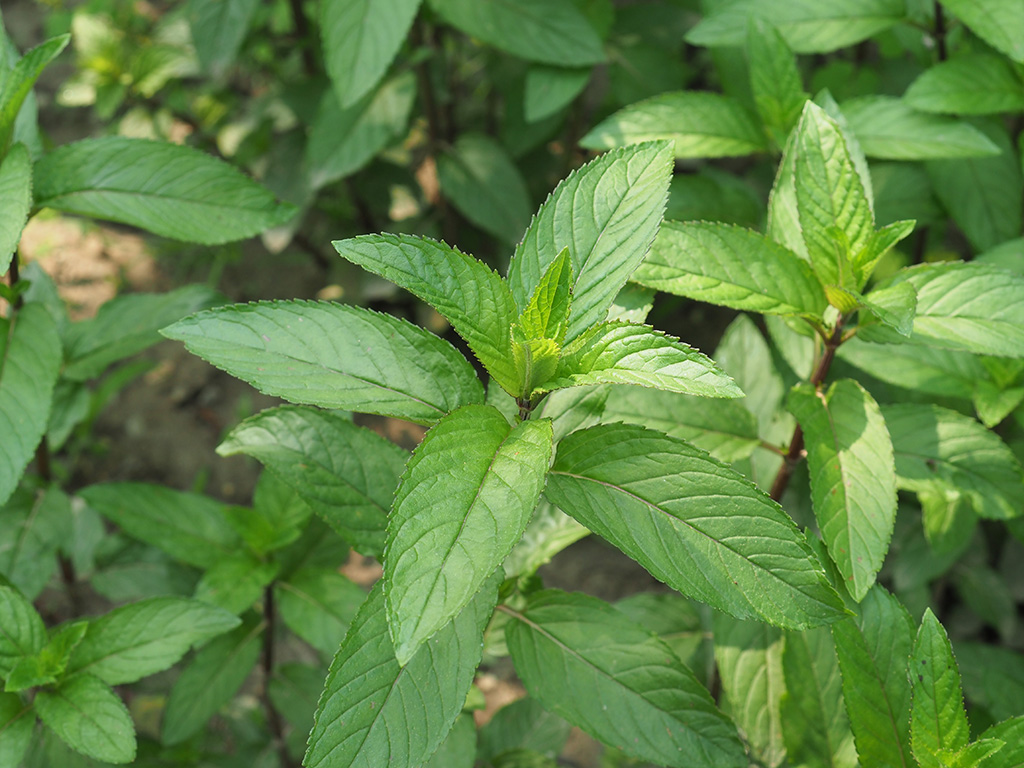
Peppermint is an aromatic member of the mint family known for its distinctive cooling flavor and scent. Its leaves have long been used in herbal infusions, foods and traditional digestive preparations, while the plant’s concentrated essential oil is widely used in culinary, wellness and topical products.
Peppermint is a natural hybrid of watermint (Mentha aquatica) and spearmint (Mentha spicata). Although the leaf and essential oil come from the same plant, their concentration, uses and safety considerations are quite different.
Botanical Snapshot
Peppermint is an aromatic member of the mint family known for its distinctive cooling flavor and scent. Its leaves have long been used in herbal infusions, foods and traditional digestive preparations, while the plant’s concentrated essential oil is widely used in culinary, wellness and topical products.
Peppermint is a natural hybrid of watermint (Mentha aquatica) and spearmint (Mentha spicata). Although the leaf and essential oil come from the same plant, their concentration, uses and safety considerations are quite different.
Botanical Snapshot
Common Name: Peppermint
Botanical Name: Mentha × piperita
Plant Family: Lamiaceae
Plant Type: Aromatic herbaceous perennial
Origin: Europe; now widely cultivated and naturalized
Parts Commonly Used: Leaves and flowering aerial parts; essential oil is distilled from the plant
Herbal Use & Bioactive Compounds
Peppermint leaf has traditionally been used for digestive comfort, particularly after meals. Its characteristic aroma and cooling sensation come largely from its volatile oil, which contains compounds such as menthol and menthone.
The leaves also contain polyphenols and flavonoids, including rosmarinic acid and eriocitrin. Laboratory and preclinical research has explored antioxidant, antimicrobial and other biological activity, but human research specifically on peppermint leaf and peppermint tea remains limited.
Most modern clinical research has focused instead on concentrated peppermint oil, particularly enteric-coated preparations studied for symptoms associated with irritable bowel syndrome. Those findings should not automatically be applied to ordinary peppermint tea.
Culinary Use & Common Forms
Fresh and dried peppermint leaves are commonly used for herbal tea, cold beverages, desserts, candies, sauces and flavoring. Peppermint may also be found as extracts, syrups and concentrated essential oil.
Peppermint tea contains no caffeine unless it is blended with a caffeine-containing tea or other ingredient.
Essential oil is much more concentrated than the leaf and should not be treated as equivalent to drinking peppermint tea.
Safety & Considerations
Peppermint tea made from the leaves is generally well tolerated when consumed in ordinary amounts. Long-term safety information for very large or medicinal quantities of peppermint leaf is limited.
Concentrated peppermint oil may cause heartburn, nausea or digestive irritation in some people, and topical use may irritate sensitive skin. Peppermint oil or products containing concentrated menthol should not be applied to the face of infants or young children because inhalation can interfere with breathing.
Food-level use during pregnancy and breastfeeding is generally considered low risk, but safety information for medicinal amounts or concentrated preparations is limited.
Sourcing & Sustainability
Look for products that identify the botanical as Mentha × piperita, particularly when purchasing dried peppermint leaf for herbal use. Peppermint should not be confused with spearmint (Mentha spicata), which has a different flavor and essential-oil profile.
Peppermint is widely cultivated and is not generally considered a conservation-sensitive botanical. In the garden, however, it spreads vigorously through underground rhizomes and can quickly move beyond its intended growing area.
Spiritual, Magical & Folk Traditions
Peppermint is sometimes used in contemporary folk and spiritual practice for cleansing, clarity, protection, prosperity and refreshing stagnant energy.
The ancient Greek story of the nymph Minthe is often associated with mint, but it belongs to the broader lore of the mint genus rather than specifically to peppermint, which developed later as a natural hybrid.
Related Articles & Resources
Related terms include Terpene, Polyphenol, Flavonoid and Bioactive Compound.
For more information about peppermint research and safety, see the National Center for Complementary and Integrative Health — Peppermint Oil: Usefulness and Safety.
For additional information about peppermint leaf as a traditional herbal preparation, see the European Medicines Agency — Peppermint Leaf herbal monograph.
A Note on Herbal Information
The information in this profile is provided for educational purposes and reflects a mix of botanical reference material, historical use, traditional practices and contemporary perspectives. It is not intended to diagnose, treat, cure or prevent disease, and it should not replace advice from a qualified healthcare professional.
Explore More Botanicals
Return to the Botanical Glossary to explore herbs, roots, flowers, spices and other botanicals along with their traditional uses, history, folklore and modern context.
Cool, aromatic and unmistakably peppermint. 🌿