
Rosemary / Salvia rosmarinus
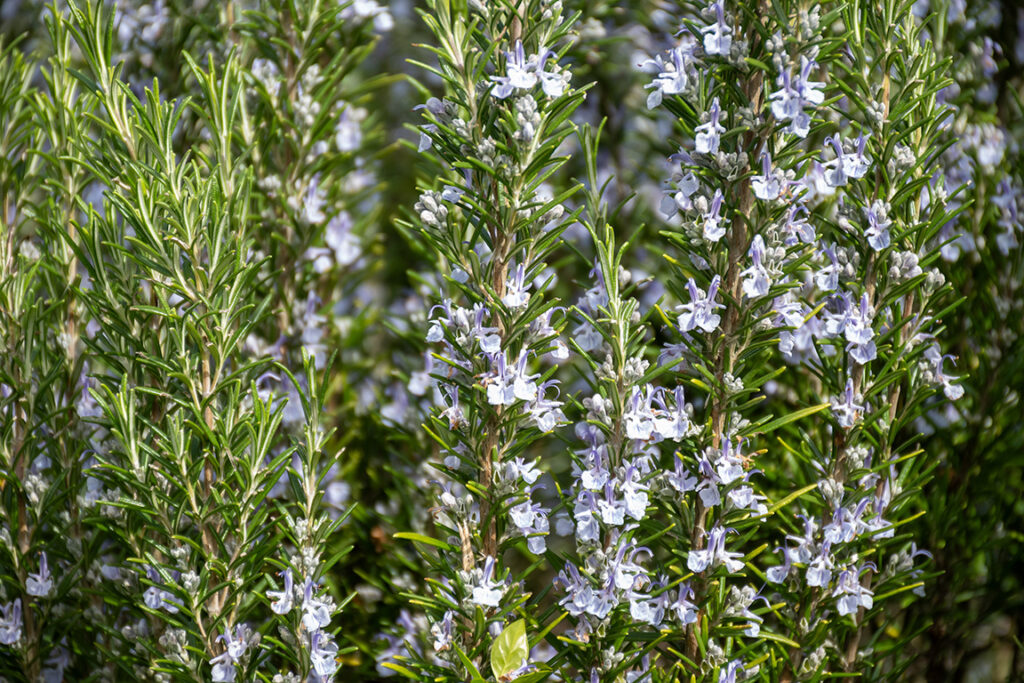
Rosemary is an aromatic evergreen shrub native to the Mediterranean region and long valued as both a culinary herb and traditional herbal plant. Its narrow, fragrant leaves are used fresh or dried in cooking, herbal preparations and aromatic products.
The plant was formerly classified as Rosmarinus officinalis, a name still widely encountered in herbal literature and product labeling.
Botanical Snapshot
Common Name: Rosemary
Botanical Name: Salvia rosmarinus
Former Botanical Name: Rosmarinus officinalis
Plant Family: Lamiaceae
Plant Type: Evergreen woody shrub
Native Range: Mediterranean region and surrounding areas
Part Commonly Used: Leaves and flowering aerial parts
Herbal Use & Bioactive Compounds
Rosemary has traditionally been used for digestive discomfort, mild gastrointestinal spasms and external preparations for minor muscular and joint discomfort. European herbal authorities recognize these uses on the basis of long-standing traditional use rather than strong clinical trial evidence.
Important naturally occurring compounds include rosmarinic acid, carnosic acid, carnosol, flavonoids and aromatic terpenes found in the plant’s essential oil. These constituents have been extensively studied for antioxidant, anti-inflammatory and other biological activities, although much of this research remains laboratory or preclinical rather than evidence of established clinical benefit.
Culinary Use & Common Forms
Rosemary has a distinctive piney, resinous and slightly bitter flavor that pairs especially well with roasted vegetables, potatoes, breads, beans, poultry, lamb and other savory dishes.
It is commonly available as fresh or dried leaf, herbal tea, tincture, extract and essential oil. Rosemary essential oil is highly concentrated and should not be treated as equivalent to the culinary herb or a simple leaf infusion.
Safety & Considerations
Rosemary used in normal culinary amounts is generally well tolerated. Concentrated medicinal preparations require greater care.
European guidance advises against medicinal rosemary preparations during pregnancy or breastfeeding and in people with certain gallbladder, bile duct or liver disorders. Allergic skin reactions may occasionally occur with topical preparations.
Sourcing & Sustainability
Rosemary is widely cultivated and readily available from commercial growers. Look for products that clearly identify the plant as Salvia rosmarinus or its widely used synonym Rosmarinus officinalis.
For teas and internal herbal preparations, choose clean, properly dried leaves from reputable sources. Culinary-grade rosemary and concentrated rosemary essential oil are distinctly different preparations and should not be used interchangeably.
Spiritual, Magical & Folk Traditions
Rosemary has long been associated with remembrance, loyalty, protection, purification and love in European and Mediterranean folklore.
Ancient Greek and Roman traditions connected rosemary with memory, and sprigs were associated with students, remembrance of the dead and funerary customs. Its enduring association with memory later became reflected in European wedding, memorial and household traditions.
Related Articles & Resources
Related terms include Sage Leaf, Bioactive Compound, Flavonoid, Polyphenol, Herbal Infusion, Terpene and Volatile Oil.
For more information on rosemary’s traditional medicinal uses and safety, see the European Medicines Agency — Rosemary Leaf.
A Note on Herbal Information
The information in this profile is provided for educational purposes and reflects a mix of botanical reference material, historical use, traditional practices and contemporary perspectives. It is not intended to diagnose, treat, cure or prevent disease, and it should not replace advice from a qualified healthcare professional.
Explore More Botanicals
Return to the Botanical Glossary to explore herbs, roots, flowers, spices and other botanicals along with their traditional uses, history, folklore and modern context.
For remembrance, resilience & the scent of the Mediterranean. 🌿