
Dandelion / Taraxacum officinale
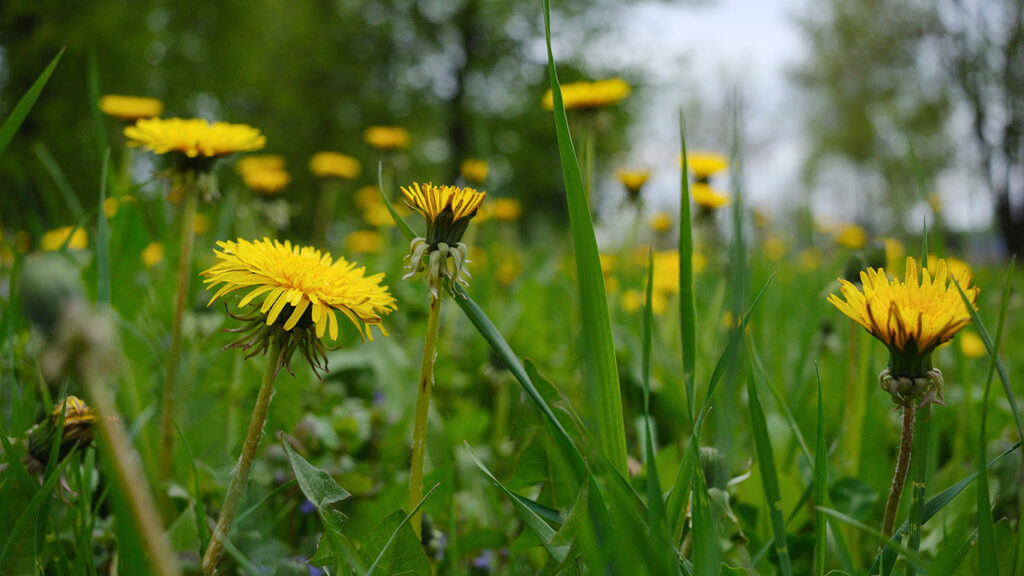
Dandelion is a familiar perennial herb known for its deeply toothed leaves, bright yellow flowers and wind-carried seed heads. Native to Eurasia and now widespread throughout temperate regions, it has long been used as both food and an herbal botanical.
The leaves, flowers and roots are all used, although each has somewhat different culinary and traditional applications.
Botanical Snapshot
Common Name: Dandelion
Botanical Name: Taraxacum officinale
Plant Family: Asteraceae
Plant Type: Perennial herb
Native Range: Eurasia
Part Commonly Used: Leaves, roots and flowers
Herbal Use & Bioactive Compounds
Dandelion has traditionally been used in preparations associated with digestion and urinary function. The leaves are especially associated with traditional diuretic use, while the root has commonly been used in digestive and bitter herbal preparations.
Dandelion contains polyphenols, flavonoids, phenolic acids, sesquiterpene lactones and other plant compounds. The root also contains inulin, a naturally occurring polysaccharide.
Laboratory research has explored antioxidant, anti-inflammatory and other biological effects, but human research remains limited and dandelion has not been established as a treatment for any specific health condition.
Culinary Use & Common Forms
Young dandelion leaves can be eaten raw or cooked as a bitter green. Flowers may be used in teas, foods and traditional wines, while the roots can be prepared as tea or roasted as a caffeine-free coffee alternative.
Dandelion is also available as dried leaf or root, tinctures, extracts and herbal tea blends.
Safety & Considerations
Dandelion is generally considered safe in amounts commonly found in food, although less is known about larger supplemental amounts.
People sensitive to plants in the Asteraceae family, including ragweed, chrysanthemums and daisies, may also be sensitive to dandelion. Potential interactions with diabetes medications, anticoagulants, antiplatelet drugs and diuretics have also been suggested.
When foraging, use only correctly identified plants from areas free of pesticides, herbicides and other contaminants.
Sourcing & Sustainability
Dandelion grows abundantly in many temperate regions and is not generally considered a plant of major conservation concern.
Spiritual, Magical & Folk Traditions
Dandelion is strongly associated in folklore with wishes, hope, resilience, transformation and persistence.
The familiar practice of blowing the seeds from a dandelion while making a wish remains one of its best-known folk traditions. Its ability to return, spread and thrive in difficult places has also made it a modern symbol of endurance and adaptability.
Cultural & Indigenous Uses
Dandelion has a long history as both food and an herbal plant in European traditions. Its leaves, flowers and roots have also been used in Mexican and other North American traditional medicine.
Because dandelion is now used across many cultures and herbal systems, specific traditions should be understood within their own cultural context rather than treated as a single universal practice.
Related Articles & Resources
Related terms include Diuretic, Bioactive Compound, Polyphenol, Flavonoid and Polysaccharide.
National Center for Complementary and Integrative Health (NCCIH): Dandelion: Usefulness and Safety
A Note on Herbal Information
The information in this profile is provided for educational purposes and reflects a mix of botanical reference material, historical use, traditional practices and contemporary perspectives. It is not intended to diagnose, treat, cure or prevent disease, and it should not replace advice from a qualified healthcare professional.
Explore More Botanicals
Return to the Botanical Glossary to discover more herbs, mushrooms, woods, resins and other botanicals currently carried at Crystal by the Sea.
Rooted deep, reaching far. 🌼