
Cinnamon / Cinnamomum verum
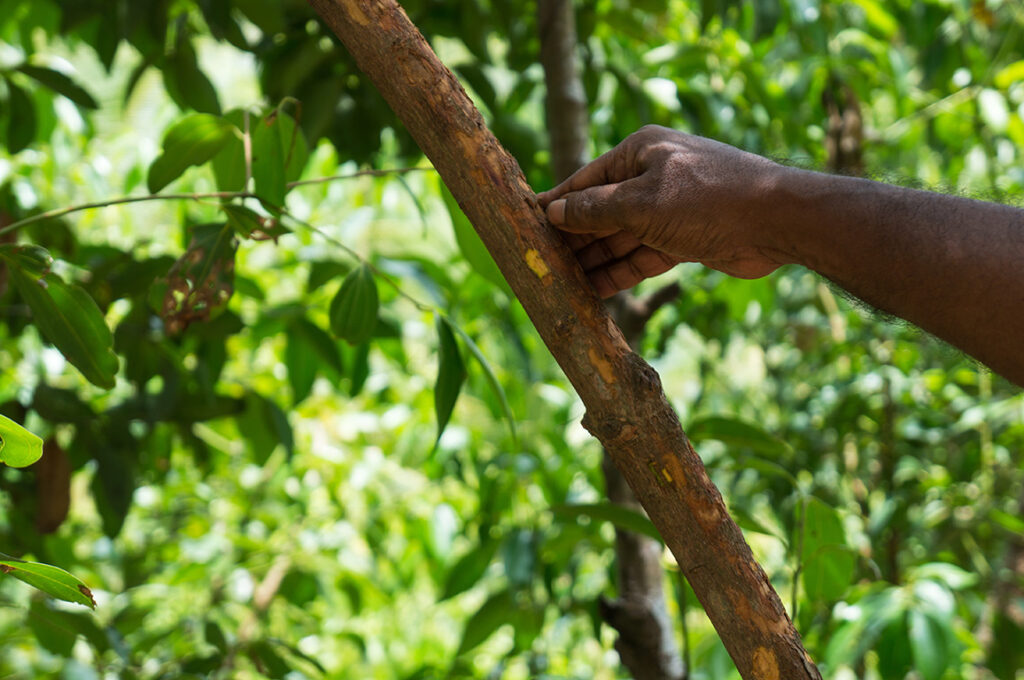
Cinnamon is an aromatic spice made from the dried inner bark of trees in the Cinnamomum genus. This profile focuses on Cinnamomum verum, commonly known as Ceylon cinnamon or true cinnamon, a species native to Sri Lanka and southern India.
Although several Cinnamomum species are sold as cinnamon, they differ in flavor, chemistry and naturally occurring compounds. Cassia cinnamon, for example, is commonly sold in North America but is botanically distinct from Ceylon cinnamon.
Botanical Snapshot
Common Name: Cinnamon, Ceylon Cinnamon, True Cinnamon
Botanical Name: Cinnamomum verum
Plant Family: Lauraceae
Plant Type: Tropical evergreen tree
Native Range: Sri Lanka and southern India
Part Commonly Used: Inner bark; leaves are also used for essential oil production
Herbal Use & Bioactive Compounds
Cinnamon bark has a long history of traditional use as a warming aromatic, particularly in preparations associated with digestion and general wellness.
Notable compounds include cinnamaldehyde, eugenol, cinnamic acid and polyphenols. Research has explored antioxidant, antimicrobial, anti-inflammatory and metabolic effects, but clinical evidence does not establish cinnamon as a treatment for any specific health condition.
Culinary Use & Common Forms
Cinnamon is widely used in both sweet and savory foods, including baked goods, teas, chai blends, spiced beverages, sauces and seasoning mixtures. Common forms include: Cinnamon sticks or quills, Ground cinnamon, Herbal teas and infusions, Extracts and tinctures, Essential oil.
Ceylon cinnamon typically has a lighter, more delicate flavor than the stronger, sharper cassia varieties commonly found in grocery stores.
Safety & Considerations
Cinnamon is generally well tolerated in normal culinary amounts. Larger or prolonged supplemental use may cause digestive irritation or allergic reactions in some people.
Cassia cinnamon can contain considerably more coumarin than Ceylon cinnamon, making frequent high intake a potential concern for liver health. Cinnamon essential oil is highly concentrated and may irritate the skin and mucous membranes.
Sourcing & Sustainability
Because several species are sold simply as “cinnamon,” look for Ceylon cinnamon or Cinnamomum verum when true cinnamon is desired.
Sri Lanka remains strongly associated with traditional cultivation and production of Ceylon cinnamon, including its characteristic layered quills.
Spiritual, Magical & Folk Traditions
In folk magic and contemporary metaphysical practice, cinnamon is commonly associated with warmth, prosperity, abundance, protection, attraction, success and energetic movement.
Its warming scent and fiery character have made cinnamon a popular ingredient in incense, intention work, prosperity blends, seasonal rituals and practices centered around inviting opportunity or encouraging forward momentum.
Cultural & Indigenous Uses
Cinnamon has deep cultural importance in Sri Lanka, where Cinnamomum verum is indigenous and has been cultivated, processed and traded for centuries.
Cinnamon also appears in South Asian culinary and Ayurvedic traditions, although historical references to “cinnamon” may involve several Cinnamomum species rather than C. verum alone.
Related Articles & Resources
Related terms include Bioactive Compound, Antioxidant, Polyphenol, Flavonoid and Volatile Oil.
National Center for Complementary and Integrative Health (NCCIH): Cinnamon: Usefulness and Safety
A Note on Herbal Information
The information in this profile is provided for educational purposes and reflects a mix of botanical reference material, historical use, traditional practices and contemporary perspectives. It is not intended to diagnose, treat, cure or prevent disease, and it should not replace advice from a qualified healthcare professional.
Explore More Botanicals
Return to the Botanical Glossary to discover more herbs, mushrooms, woods, resins and other botanicals currently carried at Crystal by the Sea.
Warmth, spice & centuries of tradition. 🤎