
Cumin / Cuminum cyminum
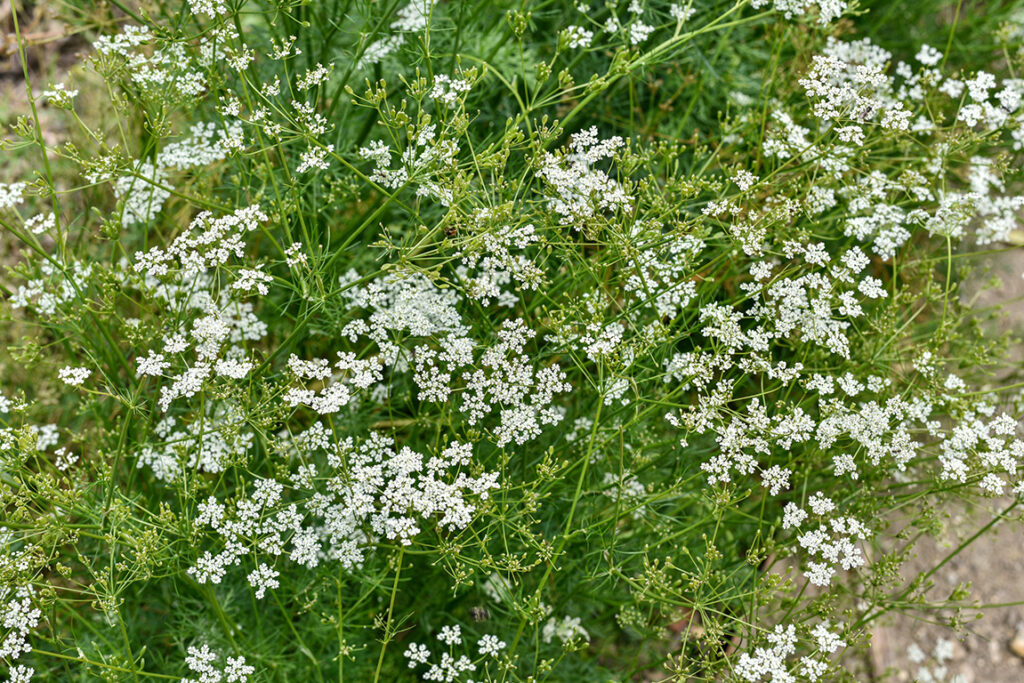
Cumin is a warm, aromatic spice produced by the dried fruits of Cuminum cyminum, a small annual herb in the parsley family. Commonly called “cumin seed,” it has been used for thousands of years in cooking and traditional herbal practices throughout the Mediterranean, Middle East and South Asia.
Its distinctive earthy flavor comes largely from its volatile oils, particularly the aromatic compound cuminaldehyde.
Botanical Snapshot
Common Name: Cumin
Botanical Name: Cuminum cyminum
Plant Family: Apiaceae
Plant Type: Annual herb
Native Range: Mediterranean, western and southwestern Asia
Part Commonly Used: Dried fruit, commonly called the “seed”
Herbal Use & Bioactive Compounds
Cumin has traditionally been used as a digestive and warming spice and appears in numerous traditional systems of herbal medicine. Its principal aromatic constituent is cuminaldehyde, along with other volatile compounds, flavonoids, terpenes and phenolic compounds.
Laboratory and clinical research has explored cumin for antioxidant, metabolic and other biological effects. Human studies remain limited, however, and findings on areas such as blood-glucose regulation have been inconsistent.
Culinary Use & Common Forms
Cumin is widely used in the cuisines of India, the Middle East, North Africa, Latin America and the Mediterranean. The whole fruits may be toasted to intensify their aroma or used directly in cooking, while ground cumin is common in curries, chili blends, spice rubs, soups, stews and sauces.
Common forms include whole cumin seed, ground cumin, extracts, capsules and cumin essential oil. The concentrated essential oil is very different from ordinary culinary use and should be handled accordingly.
Safety & Considerations
Cumin is generally well tolerated when used as a food or culinary spice. Allergic reactions are possible, particularly in people sensitive to cumin or related plants in the Apiaceae family. Cross-reactivity has been documented with other Apiaceae spices and with some pollen allergies.
Concentrated extracts, supplements and essential oils should not be assumed to have the same safety profile as normal food amounts. Cumin oil may also cause skin reactions in some people. Limited information is available about medicinal-dose cumin during breastfeeding, although ordinary culinary use is generally recognized as safe as a food flavoring.
Sourcing & Sustainability
Look for cumin labeled specifically as Cuminum cyminum, since cumin is sometimes confused with similarly named spices such as black cumin or caraway, which come from different plants.
Whole cumin fruits retain their aroma longer than ground cumin and can be ground as needed. Store both whole and ground cumin in a tightly sealed container away from heat, moisture and direct light.
Spiritual, Magical & Folk Traditions
In later European folk and magical traditions, cumin became associated with protection, fidelity and preventing loss or theft. Some traditions incorporated the seeds into protective mixtures, foods or charms intended to encourage loyalty and safe return.
Modern herbal magic continues to use cumin symbolically for protection, commitment and keeping desired things close.
Cultural & Indigenous Uses
Cumin is one of the world’s oldest cultivated spices and has a long recorded history throughout the Mediterranean, Middle East and South Asia. Archaeological and historical sources document its use in ancient Egypt and the eastern Mediterranean, while Greek and Roman writers also described cumin as both a condiment and traditional remedy.
Over centuries, cumin became deeply integrated into regional cuisines from India and the Middle East to North Africa, Europe and eventually the Americas.
Related Articles & Resources
Related glossary terms include Volatile Oil, Flavonoid, Polyphenol and Bioactive Compound.
For a detailed review of cumin’s traditional uses, naturally occurring compounds and current research, see PubMed — A Review on Traditional Uses, Phytochemistry, Pharmacology, and Clinical Research of Dietary Spice Cuminum cyminum L.
A Note on Herbal Information
The information in this profile is provided for educational purposes and reflects a mix of botanical reference material, historical use, traditional practices and contemporary perspectives. It is not intended to diagnose, treat, cure or prevent disease, and it should not replace advice from a qualified healthcare professional.
Explore More Botanicals
Return to the Botanical Glossary to explore herbs, roots, flowers, spices and other botanicals along with their traditional uses, history, folklore and modern context.
Ancient spice, unmistakable aroma, enduring place at the table. 🌿