
Cardamom / Elettaria cardamomum
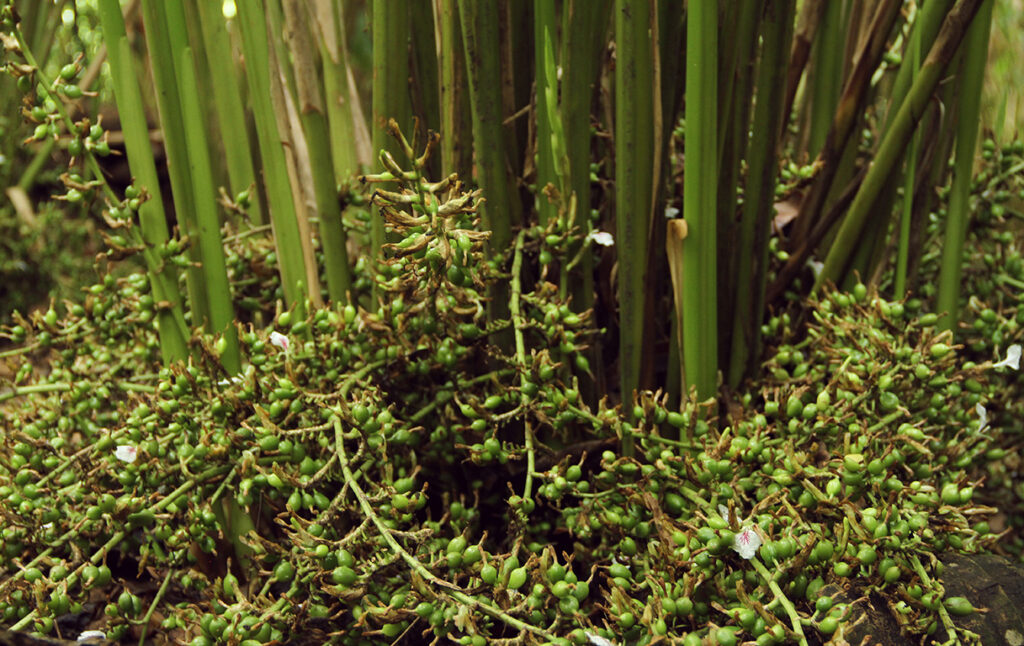
Cardamom is the aromatic fruit and seed of Elettaria cardamomum, a perennial plant in the ginger family native to southwestern India. Often called green cardamom or true cardamom, it has a warm, complex flavor with citrusy, floral and slightly spicy notes and has long been valued as both a culinary spice and traditional herbal ingredient.
Botanical Snapshot
Common Name: Cardamom, Green Cardamom, True Cardamom
Botanical Name: Elettaria cardamomum (L.) Maton
Plant Family: Zingiberaceae
Plant Type: Herbaceous perennial
Native Range: Southwestern India
Part Commonly Used: Dried fruit capsules and seeds
Herbal Use & Bioactive Compounds
Cardamom has a long history in traditional herbal practices, particularly for digestive discomfort, nausea and oral care. These uses reflect traditional practice rather than established medical treatment.
Its aromatic volatile oil contains naturally occurring bioactive compounds, particularly α-terpinyl acetate and 1,8-cineole, along with other terpenes and phenolic compounds. Modern research has explored cardamom in relation to inflammation, blood pressure, digestion and metabolic health, but clinical evidence remains limited.
Culinary Use & Common Forms
Cardamom is widely used in South Asian, Middle Eastern and other cuisines. It flavors curries, rice dishes, baked goods, sweets, masala chai, coffee and other beverages.
Whole green pods, loose seeds and ground cardamom are the most common forms. Whole pods generally retain their aroma longer than ground spice.
Safety & Considerations
Cardamom is generally used safely in normal culinary amounts. Concentrated extracts and essential oils are much stronger preparations and should not be treated as equivalent to the spice used in food.
People who are pregnant, breastfeeding, taking medications or considering concentrated medicinal preparations should consult a qualified healthcare professional.
Sourcing & Sustainability
Look for products identified as Elettaria cardamomum to distinguish green cardamom from other spices sold under the cardamom name, particularly black cardamom species.
Whole, intact pods from a reputable source generally retain their aromatic oils better than pre-ground spice. Store cardamom in a tightly sealed container away from heat, light and moisture.
Cultural & Indigenous Uses
Cardamom has a long history in South Asian foodways and traditional systems such as Ayurveda and became an important spice in trade between South Asia and the Middle East. It remains culturally significant in both regions, appearing in Indian spice blends and teas as well as cardamom-flavored coffee and sweets throughout parts of the Middle East.
Related Articles & Resources
Related terms include Bioactive Compound, Volatile Oil, Polyphenol and Antioxidant.
For additional research, see the National Library of Medicine review, Botany, Traditional Uses, Phytochemistry and Biological Activities of Cardamom.
A Note on Herbal Information
The information in this profile is provided for educational purposes and reflects a mix of botanical reference material, historical use, traditional practices and contemporary perspectives. It is not intended to diagnose, treat, cure or prevent disease, and it should not replace advice from a qualified healthcare professional.
Explore More Botanicals
Return to the Botanical Glossary to explore herbs, roots, flowers, spices and other botanicals along with their traditional uses, history, folklore and modern context.
Small pod. Remarkable aroma. 🌿