
Sweetgrass / Anthoxanthum nitens
Syn. Hierochloë odorata
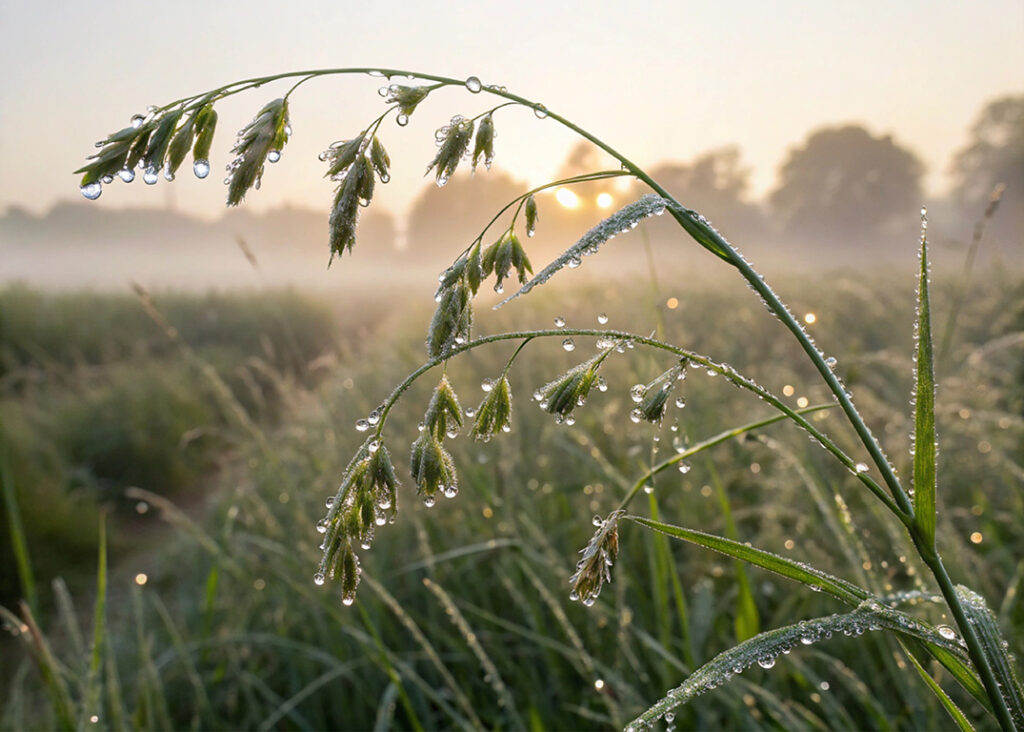
Sweetgrass is a fragrant perennial grass native across northern regions of North America, Europe and Asia. Best known for the warm, vanilla-like scent released as its leaves dry, sweetgrass has long been valued for weaving, fragrance and ceremonial use. In North America, it holds particular cultural and spiritual importance for numerous Indigenous peoples.
Botanical Snapshot
Botanical name: Anthoxanthum nitens
Synonym: Hierochloë odorata
Plant family: Poaceae
Common names: Sweetgrass, vanilla grass, holy grass
Plant part commonly used: Leaves
Growing habit: Rhizomatous perennial grass
Native range: Northern North America, Europe and Asia
Sweetgrass spreads through underground rhizomes and often forms dense patches in moist meadows, wetlands and along shorelines.
Herbal Use & Bioactive Compounds
Sweetgrass has been used traditionally in several North American Indigenous healing practices, including preparations associated with coughs, colds and other ailments. Modern clinical research on these medicinal uses is limited.
Its characteristic fragrance develops as the grass dries and is largely associated with coumarin, an aromatic plant compound. Other identified constituents include phytol and aromatic volatile compounds.
Laboratory research has found that sweetgrass extracts and isolated coumarin and phytol can deter mosquito biting, lending scientific support to documented traditional use of the plant as an insect deterrent. This research is preclinical rather than evidence of a therapeutic effect in people.
Common Forms & Aromatic Use
Sweetgrass is most commonly found as:
- Dried loose grass
- Braided sweetgrass
- Woven baskets and other traditional crafts
- Aromatic or ceremonial plant material
Its dried leaves have a distinctive scent often described as vanilla-like, warm and freshly cut.
Sweetgrass is not generally treated as a culinary herb in the United States. Because it naturally contains coumarin, routine internal use is not recommended.
Safety & Considerations
Sweetgrass contains naturally occurring coumarin. Concentrated or repeated internal use should be avoided, particularly because coumarin exposure at sufficiently high levels can affect the liver.
Burning sweetgrass also produces smoke and particulate matter. As with other aromatic plant smoke, use good ventilation and avoid smoke exposure around people with respiratory sensitivities, young children and pets.
Sourcing & Sustainability
Choose cultivated sweetgrass or material obtained from responsible growers and harvesters whenever possible.
Sweetgrass grows through spreading rhizomes and can respond well to careful harvesting. Traditional harvesting practices often involve taking the leaves while leaving the plant base and underground rhizomes intact so the patch can continue growing.
Because some wild stands are culturally important gathering areas, harvest only where collection is permitted and appropriate.
Spiritual, Magical & Folk Traditions
Sweetgrass is widely associated with blessing, prayer, purification, peace and welcoming positive energy.
Braided sweetgrass is also used in contemporary spiritual practice as an aromatic offering, altar plant or ceremonial smoke. Its sweet fragrance is often symbolically associated with kindness, harmony and bringing good influences into a space.
Indigenous Uses & Cultural Significance
Sweetgrass has deep cultural significance among a number of Indigenous peoples of North America, although traditions and meanings vary among individual nations and communities.
Among the Potawatomi and other Anishinaabe peoples, sweetgrass is known as the Hair of Mother Earth. Its long, fragrant leaves are traditionally braided as an expression of love, gratitude and care for the Earth. Braiding reflects the reciprocal relationship between people and the natural world.
Among the Wabanaki peoples — including the Penobscot, Passamaquoddy, Mi’kmaq and Wolastoqiyik (Maliseet) — sweetgrass has long been gathered for basketry, ceremony and other cultural practices. Harvesting knowledge is passed between generations, helping preserve traditions and relationships with the land.
Sweetgrass also appears in the traditions of Indigenous peoples farther west. Historical ethnobotanical records document its aromatic and insect-deterrent use among the Blackfeet and Salish peoples, among others.
Related Articles & Resources
Related terms include Bioactive Compound and Volatile Oil.
National Park Service — Gathering Sweetgrass and Renewing the Past
An excellent look at Wabanaki sweetgrass traditions, harvesting and the restoration of Indigenous gathering at Acadia National Park.
National Park Service — Plant Gathering for Traditional Purposes at Acadia National Park
Information about Wabanaki sweetgrass gathering, cultural relationships and sustainable stewardship.
PubMed — Isolation and Identification of Mosquito Biting-Deterrent Compounds from Sweetgrass
Research examining coumarin, phytol and other compounds associated with sweetgrass’s traditional insect-deterrent use.
A Note on Herbal Information
The information in this profile is provided for educational purposes and reflects a mix of botanical reference material, historical use, traditional practices and contemporary perspectives. It is not intended to diagnose, treat, cure or prevent disease, and it should not replace advice from a qualified healthcare professional.
Explore More Botanicals
Return to the Botanical Glossary to explore herbs, roots, flowers, spices and other botanicals along with their traditional uses, history, folklore and modern context.
Hair of Mother Earth. 🌾