
Sandalwood / Santalum album
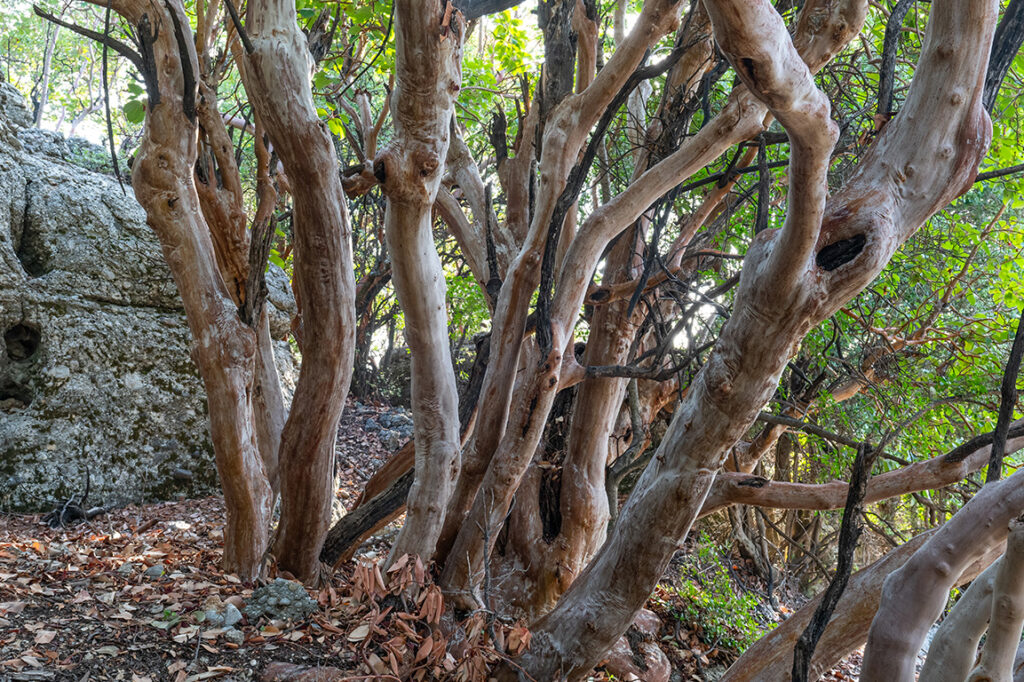
Sandalwood is an aromatic evergreen tree prized for its richly fragrant heartwood and essential oil. Known for its warm, woody scent, it has a long history in traditional herbal preparations, perfumery, incense and spiritual ceremonies.
Botanical Snapshot
Common name: Sandalwood, Indian Sandalwood, White Sandalwood
Botanical name: Santalum album L.
Plant family: Santalaceae
Plant type: Evergreen, partially root-parasitic tree
Native range: South and Southeast Asia, with origins and distribution varying among botanical authorities
Parts commonly used: Heartwood, roots and essential oil
Herbal Use & Bioactive Compounds
Sandalwood essential oil contains aromatic compounds called sesquiterpenes, particularly alpha-santalol and beta-santalol.
Laboratory studies suggest antimicrobial and anti-inflammatory activity, while limited human research has explored sandalwood oil in topical skincare. More clinical evidence is needed to establish its effectiveness for specific conditions.
Common Forms & Uses
Sandalwood is commonly available as wood chips, powder, incense, essential oil and fragrance products. Its distinctive scent is widely used in perfumes, soaps, cosmetics and aromatherapy.
Unlike many culinary herbs, sandalwood is primarily valued for its aromatic, topical and ceremonial applications rather than everyday food use.
Safety & Considerations
Sandalwood essential oil may cause skin irritation or allergic reactions in sensitive individuals. Dilute appropriately before applying it to skin, and avoid contact with the eyes.
Essential oil should not be ingested without qualified professional guidance. Safety information for concentrated use during pregnancy and breastfeeding is limited.
Sourcing & Sustainability
Genuine Indian sandalwood (Santalum album) has experienced serious harvesting pressure because of demand for its valuable heartwood and oil. Wild populations are classified as Vulnerable.
Look for responsibly cultivated sandalwood from traceable sources. Other species, including Australian sandalwood (Santalum spicatum), are also sold commercially, so botanical identification matters.
Spiritual, Magical & Folk Traditions
Sandalwood is traditionally associated with purification, protection, peace, meditation and spiritual devotion.
Its fragrant wood and incense are used in religious offerings, sacred spaces and meditation practices. In contemporary spiritual traditions, sandalwood is also associated with grounding, clarity and peaceful reflection.
Cultural & Indigenous Uses
Sandalwood, known as chandan in India, has a longstanding place in Hindu religious practice, Ayurveda and South Asian cultural traditions.
Sandalwood paste is traditionally applied during ceremonies and religious observances, while fragrant wood and incense are used in offerings and rituals. Sandalwood also appears in Buddhist and Jain traditions.
Related Articles & Resources
Related terms include Terpene, Volatile Oil, Bioactive Compound and Anti-inflammatory.
For additional information: IUCN Red List — Indian Sandalwood (Santalum album)
A Note on Herbal Information
The information in this profile is provided for educational purposes and reflects a mix of botanical reference material, historical use, traditional practices and contemporary perspectives. It is not intended to diagnose, treat, cure or prevent disease, and it should not replace advice from a qualified healthcare professional.
Explore More Botanicals
Return to the Botanical Glossary to explore herbs, roots, flowers, spices and other botanicals along with their traditional uses, history, folklore and modern context.
A timeless fragrance of peace, devotion and sacred stillness. 🌳