
Patchouli / Pogostemon cablin
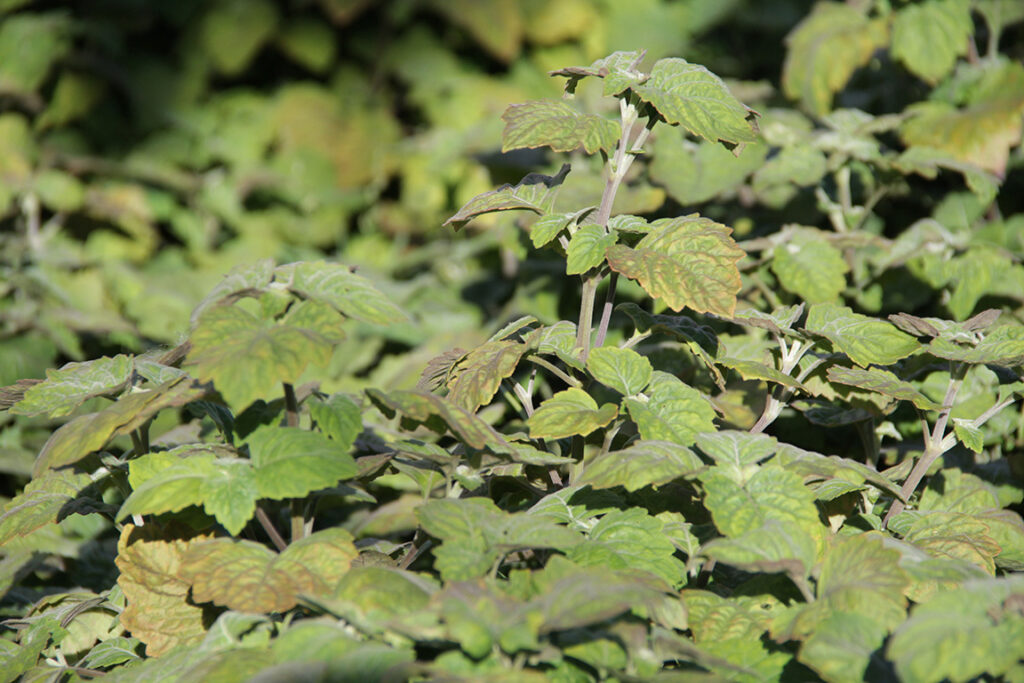
Patchouli is an aromatic member of the mint family best known for its deep, earthy fragrance. Native to tropical parts of Asia, its fragrant leaves have a long history of use in incense, perfumery, traditional herbal preparations and body care.
Both the dried herb and its essential oil are used today, but they are very different preparations. Dried patchouli may be burned as incense or for smoke cleansing, added to aromatic blends, or infused into carrier oils. Patchouli essential oil is a much more concentrated aromatic product obtained through distillation.
Botanical Snapshot
Common Name: Patchouli
Botanical Name: Pogostemon cablin
Plant Family: Lamiaceae
Plant Type: Aromatic perennial herb or subshrub
Native Range: Sri Lanka and tropical Southeast Asia into New Guinea
Parts Commonly Used: Leaves and leafy aerial parts; essential oil is distilled primarily from dried leaves
Herbal Use & Bioactive Compounds
Patchouli has a long history in traditional herbal practices in China, India and Southeast Asia, particularly for digestive complaints, nausea, colds and other everyday ailments.
Its aromatic chemistry is dominated by a complex mixture of terpenes and terpenoids. One of its most characteristic constituents is patchoulol, also called patchouli alcohol, a sesquiterpene alcohol. Other naturally occurring compounds include patchoulenes, α-bulnesene, pogostone and numerous additional components of its volatile oil.
Laboratory and animal studies have explored antimicrobial, anti-inflammatory, antioxidant and other biological activity of patchouli extracts, essential oil and isolated compounds. Human clinical evidence remains limited, so these findings should not be treated as established therapeutic effects.
Common Forms & Practical Use
Dried patchouli retains its characteristic earthy fragrance and may be used in incense, smoke-cleansing blends, sachets, potpourri and other aromatic preparations.
The dried herb can also be macerated in a fixed carrier oil to create an infused oil for body-care products, perfume blends, salves and similar preparations. This type of herbal infused oil contains constituents extracted into the carrier oil and is not the same thing as patchouli essential oil.
Patchouli essential oil is produced through steam or water distillation and is highly concentrated. Its long-lasting earthy, woody aroma makes it especially valuable in natural perfumery, where it is commonly used as a base note and fragrance fixative. It also appears in soaps, lotions, perfumes, candles and other scented products.
Historically, dried patchouli leaves were placed among textiles both for their fragrance and to help repel insects. The distinctive scent became strongly associated with imported Asian fabrics in Europe during the 19th century.powdered products, beverages and culinary preparations.
Safety & Considerations
Dried patchouli used externally or in infused oils is generally well tolerated, although any botanical preparation may cause irritation or sensitivity in some people.
Patchouli essential oil is considerably more concentrated and should be appropriately diluted before routine skin application. Allergic contact dermatitis has occasionally been reported with patchouli-containing products, so a patch test is reasonable for sensitive skin.
When dried patchouli is burned as incense or for smoke cleansing, use reasonable ventilation and avoid prolonged exposure to concentrated smoke, particularly around people who are sensitive to smoke or fragrances.
Essential oil should not be treated as equivalent to the dried herb or an herbal infused oil.
Sourcing & Sustainability
Look for dried herb and essential oil identified as Pogostemon cablin. Several related Pogostemon species may produce similarly scented oils, so botanical identification is useful when purchasing material intended specifically as patchouli.
The fragrance and chemistry of patchouli oil can vary according to growing region, harvesting, drying, storage and distillation practices. Quality essential-oil suppliers should provide clear botanical identification and sourcing information.
Patchouli is widely cultivated for the fragrance industry. For cultivated patchouli, responsible farming, processing practices and supply-chain traceability are generally more relevant sourcing considerations than pressure from wild harvesting.
Spiritual, Magical & Folk Traditions
Patchouli’s rich, earthy fragrance has become strongly associated with grounding, prosperity, attraction, sensuality and protection in contemporary folk and metaphysical practice.
Dried patchouli is sometimes burned as incense or included in smoke-cleansing blends, while the herb may also be added to sachets, spell bags and ritual blends. Patchouli-infused oils and diluted essential oil are sometimes incorporated into anointing oils, perfumes and other intentional preparations.
Its deep connection with earth, scent and the physical senses has also led to associations with stability, abundance and drawing desired things closer.
Related Articles & Resources
Related terms include Volatile Oil, Terpene, Maceration and Bioactive Compound.
For an overview of patchouli chemistry, traditional use and pharmacological research, see the PubMed review — A Comprehensive Review on the Phytochemical Constituents and Pharmacological Activities of Pogostemon cablin Benth.
A Note on Herbal Information
The information in this profile is provided for educational purposes and reflects a mix of botanical reference material, historical use, traditional practices and contemporary perspectives. It is not intended to diagnose, treat, cure or prevent disease, and it should not replace advice from a qualified healthcare professional.
Explore More Botanicals
Return to the Botanical Glossary to explore herbs, roots, flowers, spices and other botanicals along with their traditional uses, history, folklore and modern context.
Earthy, enduring and unmistakably patchouli. 🌿