
Jasmine / Jasminum sambac
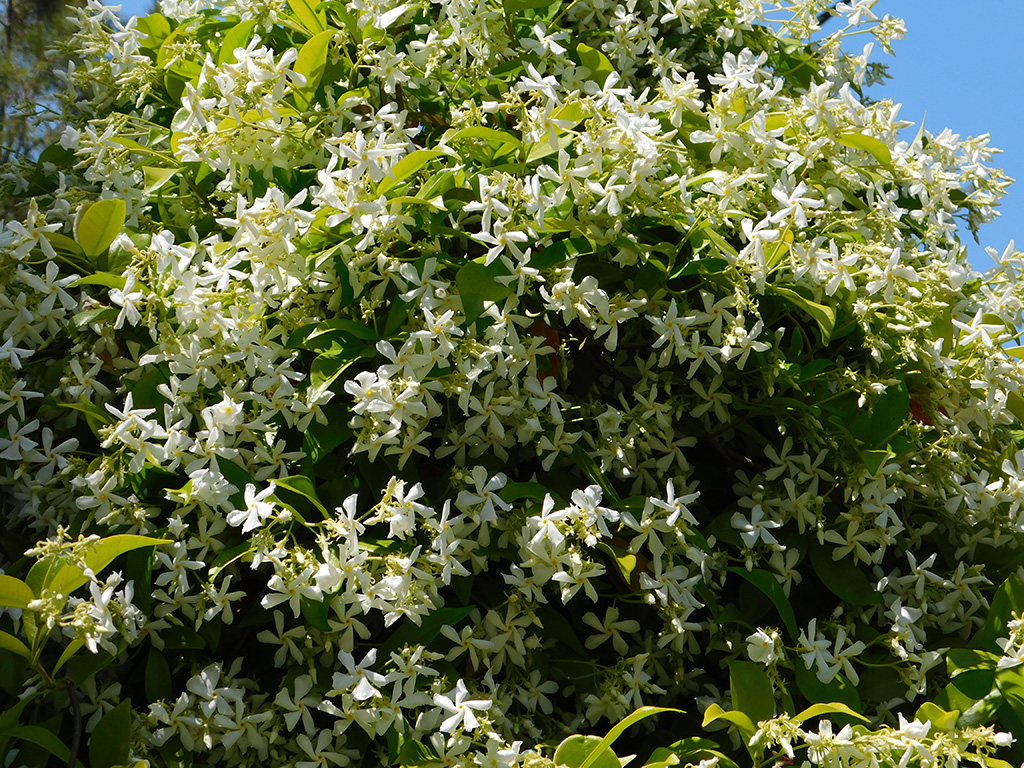
Jasmine is best known for its small white blossoms and rich, sweet fragrance.
The name jasmine applies to numerous species within the Jasminum genus. This profile focuses on Jasminum sambac—commonly called Arabian jasmine, sampaguita or pīkake—which is cultivated for its flowers, fragrance and cultural importance.
Botanical Snapshot
Common Name: Jasmine, Arabian Jasmine, Sampaguita, Pīkake
Botanical Name: Jasminum sambac
Plant Family: Oleaceae
Plant Type: Evergreen shrub or twining vine
Native Range: Tropical Asia; now cultivated throughout warm regions
Part Commonly Used: Flowers and flower buds
Herbal Use & Bioactive Compounds
Jasmine flowers have traditionally been used in aromatic preparations, infusions, perfumery and topical products.
Their fragrance comes from a complex mixture of volatile compounds, including benzyl acetate, linalool, methyl anthranilate and indole.
Laboratory research has investigated antioxidant, antimicrobial and other biological activity in jasmine extracts. However, species and preparations vary, and strong human evidence for many modern wellness claims remains limited.
Culinary Use & Common Forms
The flowers of Jasminum sambac are widely used to scent tea and may also appear in floral infusions, syrups and desserts.
Jasmine tea is generally made from Camellia sinensis leaves scented with jasmine blossoms rather than from jasmine flowers alone. Its production, varieties and caffeine content are covered separately on the Jasmine Tea page.
Jasmine is commonly found as food-grade flowers, scented tea, floral water, infused oil, jasmine absolute and fragrance products.
Safety & Considerations
Only correctly identified, food-grade jasmine flowers should be used in foods or beverages. Ornamental flowers may have been treated with products not intended for consumption.
Jasmine absolute and concentrated fragrance materials should be properly diluted for topical use and should not be swallowed unless specifically manufactured and labeled for culinary use.
Jasmine may cause skin irritation or allergic reactions in sensitive individuals. Safety information for concentrated preparations during pregnancy or breastfeeding is limited.
Sourcing & Sustainability
The common name jasmine can be misleading.
Star jasmine (Trachelospermum jasminoides) and night-blooming jasmine (Cestrum nocturnum) are not members of the Jasminum genus and should not be substituted for food-grade Jasminum sambac.
Choose products that identify the botanical species, intended use and extraction method. Aromatic products should also state whether they contain genuine jasmine absolute, a diluted extract or a fragrance blend.
Jasminum sambac is widely cultivated. Because the delicate flowers are generally gathered by hand and produce relatively little aromatic material, genuine jasmine absolute is highly concentrated and often expensive.
Spiritual, Magical & Folk Traditions
Jasmine is associated with love, beauty, sensuality, peace, hope, dreams and spiritual openness.
Its white blossoms and evening fragrance have also inspired connections with the Moon, intuition and unseen possibilities. Jasmine may be included in offerings, dream work, love traditions and rituals centered on peace or emotional renewal.
Cultural Traditions
Known as sampaguita in the Philippines, Jasminum sambac is the country’s national flower. Its white blossoms are associated with purity, fidelity and hope and are traditionally made into fragrant garlands.
In Hawaiʻi, it is known as pīkake and is treasured as a lei flower. Although introduced to the islands, jasmine has become closely connected with Hawaiian floral and lei traditions.
Related Articles & Resources
Related Crystal by the Sea terms include Bioactive Compound and Volatile Oil.
Learn more about Jasminum sambac from the Missouri Botanical Garden.
Explore the cultural history of sampaguita through the National Museum of the Philippines.
A Note on Herbal Information
The information in this profile is provided for educational purposes and reflects a mix of botanical reference material, historical use, traditional practices and contemporary perspectives. It is not intended to diagnose, treat, cure or prevent disease, and it should not replace advice from a qualified healthcare professional.
Explore More Botanicals
Return to the Botanical Glossary to explore herbs, roots, flowers, spices and other botanicals along with their traditional uses, history, folklore and modern context.
Tiny blossom. Unmistakable presence. 🤍