
Ginger Root / Zingiber officinale
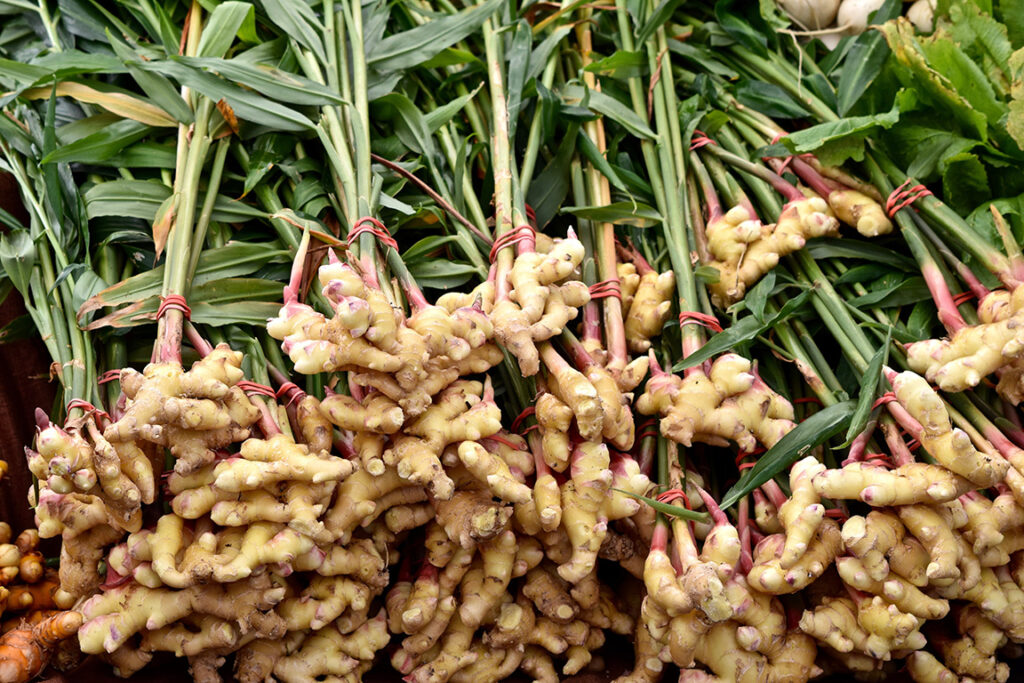
Ginger is a tropical perennial best known for its pungent, aromatic rhizome—the underground stem commonly called “ginger root.” Native to parts of Asia and now cultivated throughout tropical and subtropical regions, ginger has been used for centuries as both a culinary spice and traditional herbal botanical.
Botanical Snapshot
Common Name: Ginger, Ginger Root
Botanical Name: Zingiber officinale
Plant Family: Zingiberaceae
Plant Type: Herbaceous perennial
Native Range: Asia
Part Commonly Used: Rhizome
Herbal Use & Bioactive Compounds
Ginger has traditionally been used for digestive discomfort and nausea. Modern research supports possible benefit for pregnancy-related nausea and vomiting, while evidence for motion sickness, chemotherapy-related nausea and other uses is less certain.
Important compounds include gingerols, shogaols and zingerone, along with terpenes and other phenolic compounds. Gingerols contribute much of fresh ginger’s characteristic pungency, while some gingerols convert to shogaols during drying and processing.
Culinary Use & Common Forms
Fresh ginger is widely used in teas, soups, curries, stir-fries, sauces, baked goods and beverages. It may also be dried and powdered, candied, pickled or used in spice blends.
Herbal preparations include teas, tinctures, extracts, capsules and concentrated supplements.
Safety & Considerations
Ginger is generally well tolerated, but larger supplemental amounts may cause heartburn, abdominal discomfort, diarrhea or mouth and throat irritation. Herbal supplements may also interact with medications.
Ginger has been studied for pregnancy-related nausea, but anyone considering concentrated supplements during pregnancy or breastfeeding should discuss their use with a healthcare professional.
Sourcing & Sustainability
Ginger is widely cultivated and is not generally considered a plant of major conservation concern.
Choose fresh rhizomes that are firm and aromatic, or dried products that clearly identify Zingiber officinale. For herbal preparations, reputable sourcing and clear labeling of the plant part and preparation are useful indicators of quality.
Spiritual, Magical & Folk Traditions
In contemporary folk and magical traditions, ginger is associated with warmth, energy, courage, prosperity, passion and forward movement.
Its spicy, warming character makes it a popular addition to intention work centered around motivation, confidence, abundance and bringing energy to a goal.
Cultural & Indigenous Uses
Ginger has a long history in South Asian Ayurvedic traditions and traditional Chinese medicine, as well as in culinary and healing traditions throughout Asia. It later became an important spice in Middle Eastern, European and other global trade and food traditions.
These traditions span many regions and systems of practice, so historical uses should be understood within their individual cultural contexts.
Related Articles & Resources
Related terms include Bioactive Compound, Anti-inflammatory, Antioxidant and Volatile Oil.
National Center for Complementary and Integrative Health (NCCIH): Ginger: Usefulness and Safety
A Note on Herbal Information
The information in this profile is provided for educational purposes and reflects a mix of botanical reference material, historical use, traditional practices and contemporary perspectives. It is not intended to diagnose, treat, cure or prevent disease, and it should not replace advice from a qualified healthcare professional.
Explore More Botanicals
Return to the Botanical Glossary to discover more herbs, mushrooms, woods, resins and other botanicals currently carried at Crystal by the Sea.
Warmth, movement & a little spice. 🌿