
Chamomile / Matricaria chamomilla
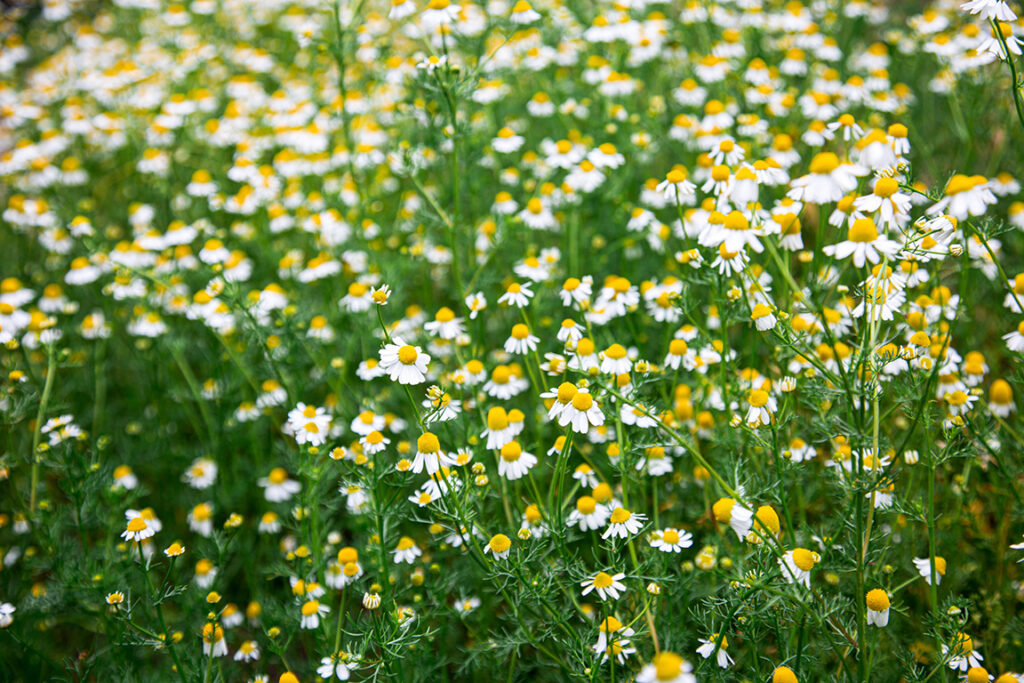
Chamomile is an aromatic, daisy-like herb best known for its use in herbal teas and its long history in traditional medicine. The dried flower heads of German chamomile (Matricaria chamomilla) are commonly used in preparations associated with digestion, relaxation and skin care.
The name “chamomile” is also used for Roman chamomile (Chamaemelum nobile), a separate species with a similar appearance and history of use. This profile focuses on German chamomile.
Botanical Snapshot
Common Name: Chamomile, German Chamomile
Botanical Name: Matricaria chamomilla
Plant Family: Asteraceae
Plant Type: Annual herb
Native Range: Europe, North Africa and temperate regions of Asia
Part Commonly Used: Flower heads
Herbal Use & Bioactive Compounds
Chamomile has traditionally been used for digestive discomfort, minor skin and mouth irritation and as a calming herb. Modern research has explored chamomile for several uses, including anxiety, but evidence for many commonly promoted benefits remains limited or preliminary.
The flowers contain several naturally occurring compounds, including the flavonoids apigenin, quercetin and luteolin, along with volatile oil constituents such as alpha-bisabolol and chamazulene. Laboratory and preclinical research has examined these compounds for anti-inflammatory, antioxidant and other biological activity.
Culinary Use & Common Forms
Chamomile is most familiar as a tisane, made by steeping fresh or dried flower heads in hot water. Its mild, aromatic flavor is often described as slightly sweet and apple-like.
Common preparations include dried flowers, tea blends, tinctures, liquid extracts, capsules, mouth rinses, creams, ointments and essential oil. Chamomile essential oil is highly concentrated and should not be treated as interchangeable with chamomile tea or dried flowers.
Safety & Considerations
Chamomile is generally considered safe when consumed in amounts commonly found in teas and foods. Allergic reactions can occur, however, and may be more likely in people sensitive to other members of the Asteraceae family, including ragweed, chrysanthemums, marigolds and daisies. Rare severe allergic reactions have also been reported.
Chamomile may interact with certain medications, including warfarin and some drugs metabolized by the liver, and interactions with sedatives are also possible. Little is known about the safety of medicinal amounts during pregnancy or breastfeeding, so concentrated preparations should be discussed with a qualified healthcare professional when appropriate.
Sourcing & Sustainability
Because more than one species is sold under the name “chamomile,” look for products that clearly identify Matricaria chamomilla when German chamomile is intended.
Choose fragrant, well-dried flowers from reputable growers or herbal suppliers and store them away from moisture, heat and direct light. German chamomile is widely cultivated, so responsible cultivated sources are readily available.
Spiritual, Magical & Folk Traditions
Chamomile has a long place in European herbal folklore. In Anglo-Saxon tradition, it was counted among the plants described in the Nine Herbs Charm, and later folk traditions associated chamomile with peace, purification, protection, luck and prosperity.
Modern spiritual practices often continue these associations, particularly using chamomile symbolically for calm, rest and gentle protection.
Cultural & Indigenous Uses
Chamomile appears in ancient medical writings and has a documented history of use in China, Egypt, Greece and Rome. Over centuries, it became deeply established in European herbal traditions and remains one of the most widely recognized herbal teas today.
Related Articles & Resources
Related glossary terms include Tisane, Flavonoid, Volatile Oil and Anti-inflammatory.
A Note on Herbal Information
The information in this profile is provided for educational purposes and reflects a mix of botanical reference material, historical use, traditional practices and contemporary perspectives. It is not intended to diagnose, treat, cure or prevent disease, and it should not replace advice from a qualified healthcare professional.
Explore More Botanicals
Return to the Botanical Glossary to explore herbs, roots, flowers, spices and other botanicals along with their traditional uses, history, folklore and modern context.
A small flower with a long tradition of comfort. 🌼