
Blue Sage / Salvia azurea
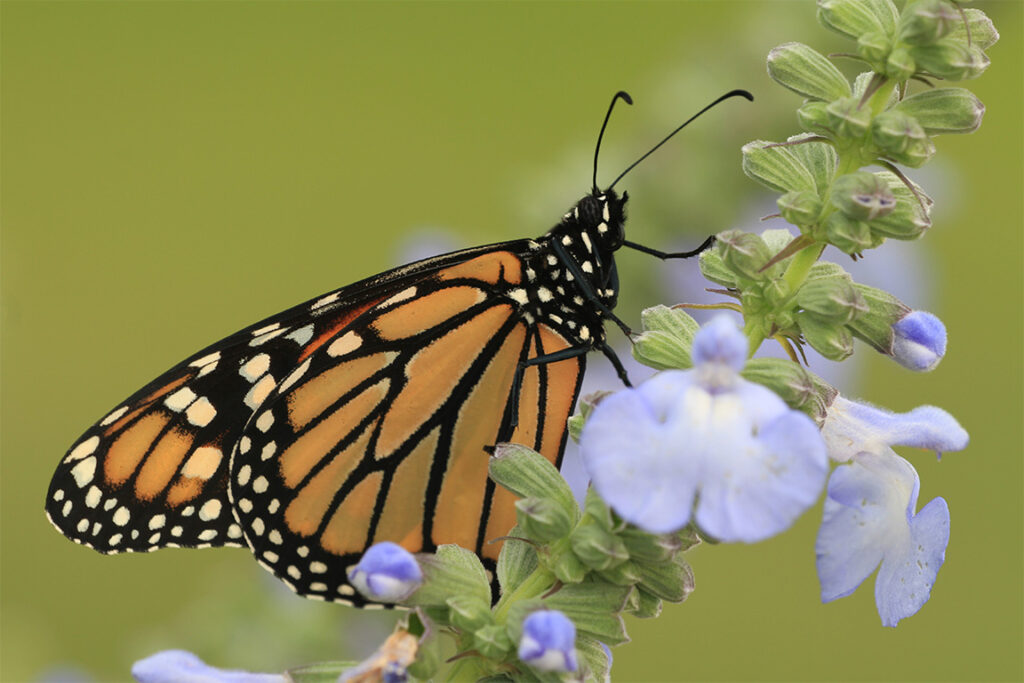
Blue sage is a native North American perennial known for its slender stems and vivid sky-blue flowers. Also called azure sage or pitcher sage, it grows naturally in prairies, open woodlands and other sunny habitats across much of the central and southern United States.
Today, dried Salvia azurea is also sold for aromatic and smoke-cleansing use.
Botanical Snapshot
Common Name: Blue Sage, Azure Sage, Pitcher Sage
Botanical Name: Salvia azurea
Plant Family: Lamiaceae (Mint Family)
Plant Type: Herbaceous perennial
Native Range: Central and southern United States
Part Commonly Used: Leaves and stems
Herbal Use & Bioactive Compounds
Compared with several better-known Salvia species, the traditional medicinal use of Salvia azurea is not extensively documented.
Laboratory analysis has identified naturally occurring flavonoids and aromatic volatile compounds within the plant. Research into these constituents is primarily phytochemical, however, and does not establish Blue Sage as a medical treatment.
Culinary Use & Common Forms
Blue sage is not generally used as the familiar culinary sage found in cooking; that role belongs primarily to Salvia officinalis.
Salvia azurea is more commonly encountered as a native ornamental or pollinator plant and, commercially, as dried loose herb or bundled material for aromatic and smoke-cleansing practices. Its blue flowers are particularly attractive to bees and butterflies.
Safety & Considerations
Smoke from any burned plant material can irritate the eyes and respiratory system. When Blue Sage is burned, use good ventilation and appropriate fire safety, particularly around children, pets or people with respiratory sensitivities.
Blue Sage should not be assumed to have the same culinary or medicinal uses as other plants commonly called sage.
Sourcing & Sustainability
Because “Blue Sage” is a common name that may be used commercially for different plants, look for the botanical name Salvia azurea when purchasing this particular species.
When possible, choose cultivated or responsibly sourced material. Salvia azurea is also a valuable native wildflower that provides nectar for bees, butterflies and other pollinators.
Spiritual, Magical & Folk Traditions
In contemporary spiritual practice, Blue Sage is burned as an aromatic herb and is commonly associated with cleansing, purification, tranquility and creating intentional space.
These modern associations should not automatically be presented as ancient Indigenous traditions specific to Salvia azurea. Documented ceremonial histories for this particular species are much less established than those associated with plants such as White Sage.
Related Articles & Resources
Related terms include Flavonoid and Volatile Oil.
A Note on Herbal Information
The information in this profile is provided for educational purposes and reflects a mix of botanical reference material, historical use, traditional practices and contemporary perspectives. It is not intended to diagnose, treat, cure or prevent disease, and it should not replace advice from a qualified healthcare professional.
Explore More Botanicals
Return to the Botanical Glossary to explore herbs, roots, flowers, spices and other botanicals along with their traditional uses, history, folklore and modern context.
Sky-blue blooms, gentle presence. 🌿