
Lemongrass / Cymbopogon citratus
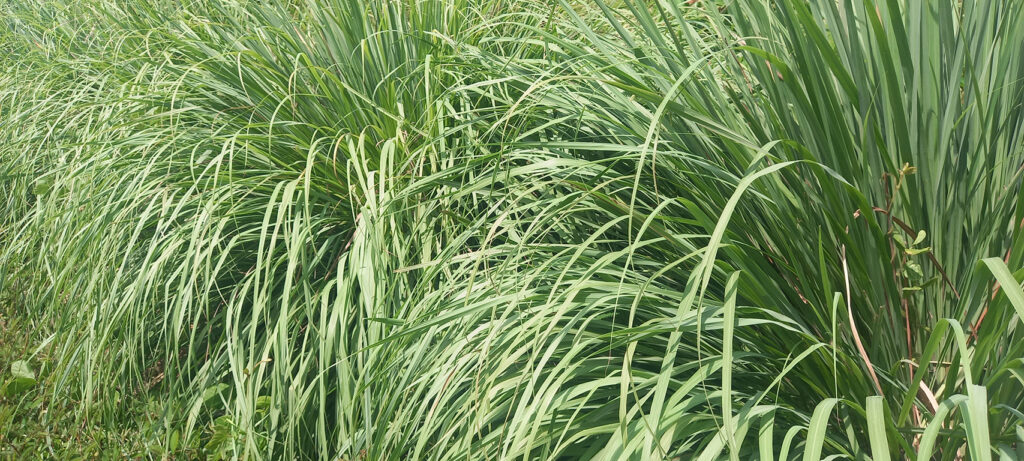
Lemongrass is a tall, aromatic tropical grass known for its bright lemony fragrance and flavor. Widely used in Southeast Asian cooking and traditional herbal preparations, its leaves and tender stalks are used in foods, teas and aromatic products.
Lemongrass is also distilled to produce a highly concentrated essential oil. While the herb and essential oil come from the same plant, their uses, concentration and safety considerations are different.
Botanical Snapshot
Common Name: Lemongrass
Botanical Name: Cymbopogon citratus
Plant Family: Poaceae
Plant Type: Aromatic perennial grass
Native Range: South India and Sri Lanka; now widely cultivated throughout tropical and subtropical regions
Parts Commonly Used: Leaves and stalks; essential oil is distilled from the aerial portions
Herbal Use & Bioactive Compounds
Lemongrass has a long history in traditional herbal practice, particularly as an aromatic tea used for digestive comfort, relaxation and everyday wellness.
Its characteristic fragrance comes largely from its volatile oil, especially citral, a mixture dominated by the compounds geranial and neral. The plant also contains other terpenes, along with flavonoids, phenolic acids and additional naturally occurring compounds.
Laboratory and preclinical studies have explored antimicrobial, antioxidant, anti-inflammatory and other biological activity of lemongrass extracts and essential oil. Human clinical research is much more limited, so many traditional and commercial health claims remain insufficiently established.
Culinary Use & Common Forms
Lemongrass is widely used in Southeast Asian cuisines, particularly in soups, curries, sauces, marinades and beverages. The lower portion of the fresh stalk is commonly crushed, sliced or finely chopped to release its aromatic oils.
Dried lemongrass is frequently used for herbal tea and may be brewed alone or blended with ginger, mint, hibiscus and other herbs.
Common forms include fresh or dried lemongrass, tea blends, powders, extracts and essential oil.
Lemongrass essential oil is considerably more concentrated than the herb itself and should not be treated as equivalent to drinking lemongrass tea or cooking with the plant.
Safety & Considerations
Lemongrass used in ordinary food and tea amounts is generally well tolerated. Concentrated extracts and essential oil require greater caution.
Lemongrass essential oil can irritate or sensitize the skin and should be appropriately diluted before topical use. It should not be applied near the eyes or other sensitive areas.
Safety information for medicinal amounts of lemongrass during pregnancy and breastfeeding is limited. Culinary use is different from taking concentrated extracts or essential-oil preparations.
People with known sensitivity to lemongrass or other aromatic grasses should avoid products that trigger irritation or allergic reactions.
Sourcing & Sustainability
Look for products identified as Cymbopogon citratus. Another species, Cymbopogon flexuosus, is also commonly called lemongrass and is widely cultivated for essential-oil production, but it is botanically distinct.
Lemongrass is extensively cultivated and is not generally considered a conservation-sensitive botanical. Quality depends more on correct species identification, growing conditions, harvest timing, drying and storage than on wild-harvesting pressure.
Dried lemongrass should retain a clean, citrus-like aroma rather than smelling musty or stale.
Spiritual, Magical & Folk Traditions
Lemongrass is commonly associated in contemporary folk and spiritual practice with cleansing, clarity, protection and fresh beginnings.
The dried herb may be used in incense, baths, floor washes and cleansing blends, while diluted lemongrass-infused or essential-oil preparations may be incorporated into intentional body or home products.
Its bright citrus fragrance has also led to symbolic associations with clearing stagnant energy, sharpening focus and creating space for something new.
Related Articles & Resources
Related terms include Volatile Oil, Terpene, Flavonoid and Bioactive Compound.
For an overview focused specifically on Cymbopogon citratus, including its traditional uses, phytochemistry and biological research, see the PubMed review — Ethnopharmacology, Phytochemistry, and Biological Activities of Cymbopogon citratus Extracts.
A Note on Herbal Information
The information in this profile is provided for educational purposes and reflects a mix of botanical reference material, historical use, traditional practices and contemporary perspectives. It is not intended to diagnose, treat, cure or prevent disease, and it should not replace advice from a qualified healthcare professional.
Explore More Botanicals
Return to the Botanical Glossary to explore herbs, roots, flowers, spices and other botanicals along with their traditional uses, history, folklore and modern context.
Bright, citrusy and refreshing from leaf to scent. 🌿🍋