
Mugwort / Artemisia vulgaris
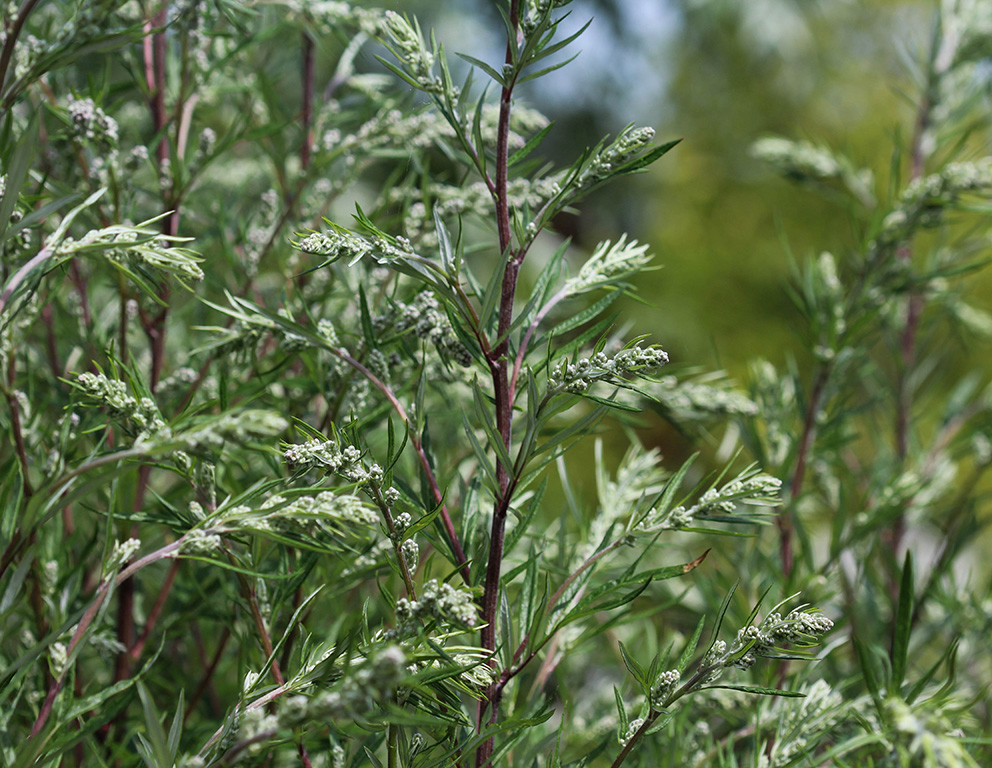
Mugwort is an aromatic perennial herb with a long history in European herbalism, culinary use and folk tradition. Its silvery-backed leaves have been used in teas, bitters, incense and other herbal preparations, while contemporary spiritual practice often associates mugwort with dreams, intuition and protection.
The name mugwort is also applied to several related Artemisia species. This profile refers specifically to common mugwort, Artemisia vulgaris.
Botanical Snapshot
Common Name: Mugwort, Common Mugwort
Botanical Name: Artemisia vulgaris
Plant Family: Asteraceae
Plant Type: Aromatic herbaceous perennial
Native Range: Temperate Eurasia through parts of Asia and North Africa; widely naturalized elsewhere
Parts Commonly Used: Leaves and flowering aerial parts
Herbal Use & Bioactive Compounds
Mugwort has a long history in European and Asian traditional herbal practice, particularly in preparations associated with digestion, menstrual complaints and general bitters.
The aerial parts contain volatile oils, flavonoids, sesquiterpene lactones and other bioactive compounds. The chemical composition of mugwort can vary considerably according to growing region and plant material.
Laboratory and preclinical studies have explored antioxidant, antimicrobial, anti-inflammatory and antispasmodic activity, but good human clinical evidence is limited. NCCIH notes that there is currently not enough evidence to determine whether mugwort is helpful for most health conditions.
Common Forms
Mugwort has historically been used as a bitter culinary herb, particularly to season rich or fatty foods. It was also among the herbs used to flavor some beers before hops became dominant.
Dried mugwort may be prepared as an herbal infusion and is also found in tinctures, extracts, incense and aromatic herbal blends.
Different Artemisia species are used in traditional foods throughout Asia, so culinary uses attributed broadly to “mugwort” should not automatically be assumed to involve Artemisia vulgaris.
Safety & Considerations
Mugwort should not be used during pregnancy. Safety during breastfeeding has not been established.
Mugwort belongs to the Asteraceae family and its pollen is a significant allergen. People with sensitivities to mugwort, ragweed or related members of the daisy family may be more likely to experience allergic reactions.
Because research on oral and topical use remains limited, concentrated extracts and essential-oil preparations deserve greater caution than ordinary culinary exposure.
When dried mugwort is burned as incense or for smoke cleansing, use adequate ventilation and avoid concentrated smoke, particularly around children, pets or anyone sensitive to smoke or fragrance.
Sourcing & Sustainability
Look for products clearly identified as Artemisia vulgaris. Several other Artemisia species—including Artemisia argyi and Artemisia princeps—may also be sold under the name mugwort and have their own cultural traditions and uses.
Common mugwort is widespread and not generally considered threatened. In many areas where it has been introduced, however, it spreads aggressively through underground rhizomes and may behave as an invasive weed.
Mugwort should also not be confused with wormwood, Artemisia absinthium, another closely related but chemically and historically distinct species.
Spiritual, Magical & Folk Traditions
Mugwort has a particularly rich place in European folk tradition. It has historically been associated with protection, safe travel, purification and warding away misfortune.
In contemporary spiritual practice, dried mugwort is frequently used in incense and smoke-cleansing blends and is associated with dream work, intuition, divination and psychic awareness. It may also be placed in sachets or near the bed as part of personal dream or ritual practices.
Mugwort appears in the Anglo-Saxon Nine Herbs Charm and was regarded in medieval European tradition as an important protective herb.
Related Articles & Resources
Related terms include Volatile Oil, Terpene, Flavonoid and Bioactive Compound.
For a clear overview of current research and important safety considerations, see the National Center for Complementary and Integrative Health — Mugwort: Usefulness and Safety.
For more about the history, traditional use and phytochemistry of common mugwort, see the PubMed review — Significance of Artemisia vulgaris L. (Common Mugwort) in the History of Medicine and Its Possible Contemporary Applications.
A Note on Herbal Information
The information in this profile is provided for educational purposes and reflects a mix of botanical reference material, historical use, traditional practices and contemporary perspectives. It is not intended to diagnose, treat, cure or prevent disease, and it should not replace advice from a qualified healthcare professional.
Explore More Botanicals
Return to the Botanical Glossary to explore herbs, roots, flowers, spices and other botanicals along with their traditional uses, history, folklore and modern context.
Silver-leaved, aromatic and steeped in old-world lore. 🌿🌙