
Valerian / Valeriana officinalis
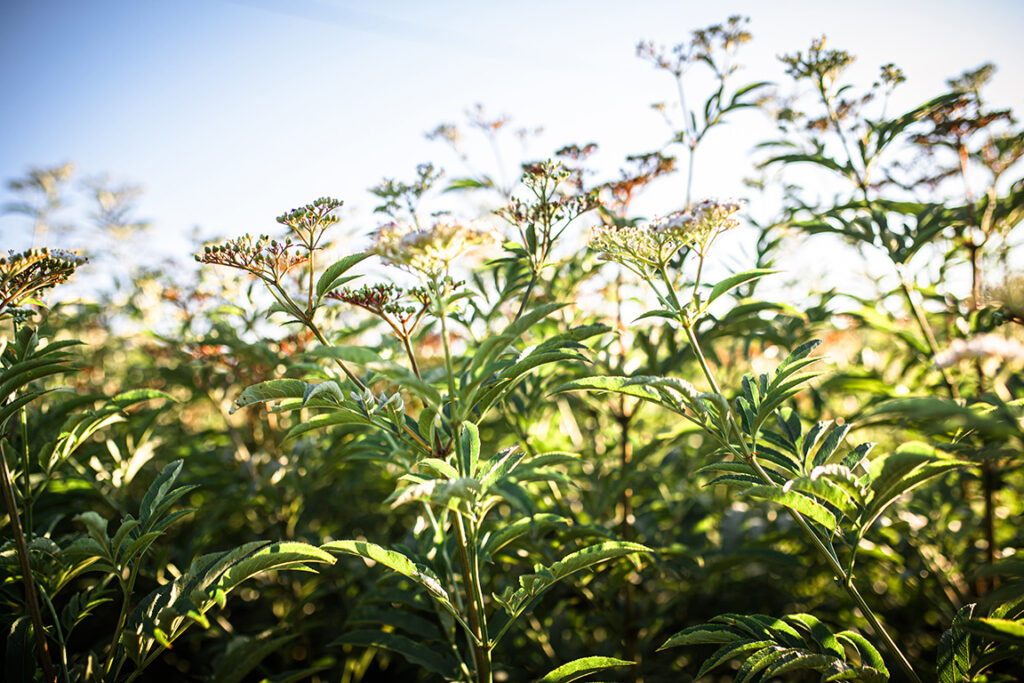
Valerian is a perennial flowering herb best known for its strongly aromatic root and rhizomes. Native to Europe and western Asia, it has a long history in European herbal traditions, particularly as a calming herb associated with rest, relaxation and sleep.
Botanical Snapshot
Common Name: Valerian
Botanical Name: Valeriana officinalis
Plant Family: Caprifoliaceae
Plant Type: Herbaceous perennial
Native Range: Europe and western Asia
Part Commonly Used: Root and rhizomes
Herbal Use & Bioactive Compounds
Valerian root has traditionally been used to promote relaxation, ease mild nervous tension and support sleep. Its naturally occurring compounds include valerenic acid and other sesquiterpenes, iridoids known as valepotriates, flavonoids, lignans and volatile compounds.
Modern research has focused largely on valerian and sleep. Results remain mixed: certain valerian preparations are recognized in European herbal medicine for mild nervous tension and sleep disorders, while NCCIH notes that clinical evidence overall remains inconsistent and insufficient to establish valerian as an effective treatment for insomnia or other health conditions.
Culinary Use & Common Forms
Valerian is primarily used as an herbal preparation rather than as a culinary herb. The dried root has a distinctive, strong earthy odor and is commonly available as cut or powdered root, herbal tea, tincture, liquid or dry extract and capsules.
Safety & Considerations
Valerian may cause headache, digestive upset, mental dullness, excitability or vivid dreams in some people. Because it may cause drowsiness, avoid driving or operating machinery after use and avoid combining it with alcohol or other sedating substances.
Long-term safety has not been established, and use during pregnancy or breastfeeding is not recommended because adequate safety information is lacking.
Sourcing & Sustainability
Several species of Valeriana are used in herbal traditions around the world, so products intended to contain common valerian should clearly identify Valeriana officinalis on the label.
Because the medicinal root is harvested from the underground portion of the plant, cultivated and responsibly sourced material is preferable. Valerian can also spread readily after escaping cultivation in some regions.
Spiritual, Magical & Folk Traditions
Valerian has long been associated in European folk traditions with rest, peacefulness, protection and reconciliation, and the root appears in later folk-magic practices involving sleep and calming a troubled household.
Its powerful scent also produced some unusual folklore. Cats are often strongly attracted to valerian root, and 18th-century apothecary lore held that the quality of dried root could be judged by how enthusiastically cats responded to it.
Related Articles & Resources
Related terms include Bioactive Compound, Herbal Infusion, Tincture and Volatile Oil.
For more information on valerian’s history, traditional use and mixed clinical evidence, see the National Center for Complementary and Integrative Health — Valerian: Usefulness and Safety.
A Note on Herbal Information
The information in this profile is provided for educational purposes and reflects a mix of botanical reference material, historical use, traditional practices and contemporary perspectives. It is not intended to diagnose, treat, cure or prevent disease, and it should not replace advice from a qualified healthcare professional.
Explore More Botanicals
Return to the Botanical Glossary to explore herbs, roots, flowers, spices and other botanicals along with their traditional uses, history, folklore and modern context.
Rooted in centuries of rest and ritual. 🌙