
Copal / Bursera spp.
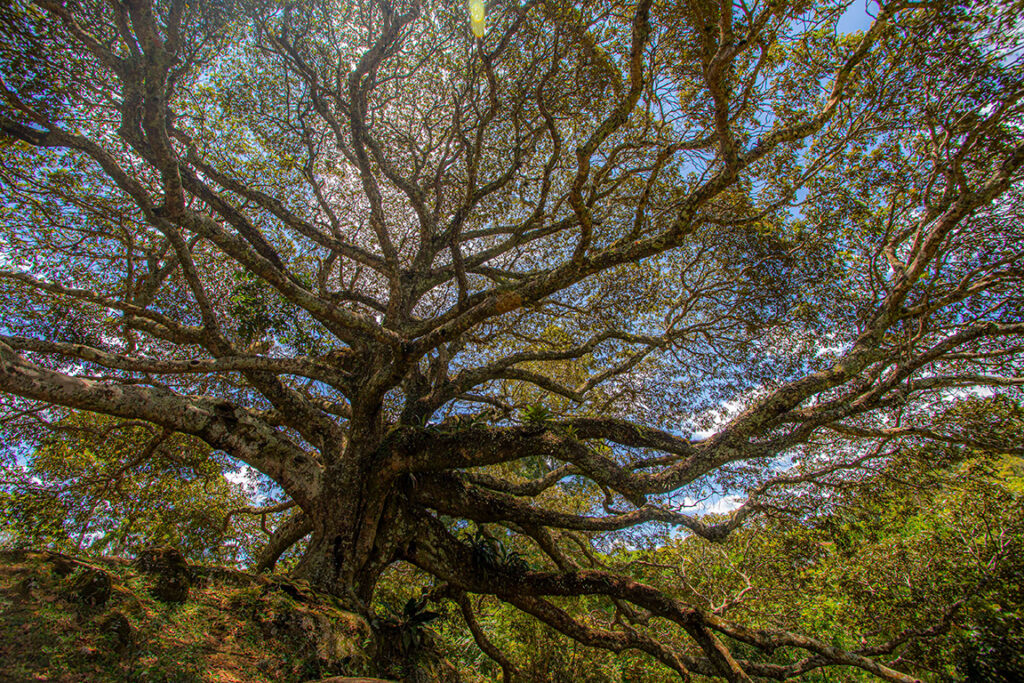
Copal is an aromatic plant resin traditionally collected from several kinds of trees. In Mexico, the name is especially associated with species of Bursera, a genus of resin-producing trees and shrubs with a major center of diversity in Mexico.
The word copal comes from the Nahuatl copalli, referring to aromatic resin or incense. Copal has been used for centuries in ceremonial incense, traditional practices and practical applications such as adhesives and varnishes.
Botanical Snapshot
Common Name: Copal
Botanical Name: Bursera spp., particularly Bursera bipinnata, Bursera copallifera and related species
Plant Family: Burseraceae
Plant Type: Resin-producing trees and shrubs
Native Range: Tropical and subtropical Americas; Bursera diversity is particularly concentrated in Mexico
Part Commonly Used: Aromatic resin
Herbal Use & Bioactive Compounds
Various Bursera species have histories of use in traditional Mexican herbal practices, although the uses and chemistry differ considerably from one species to another. Because “copal” may refer to resin from several different plants, research findings for one species should not automatically be applied to all copal.
Bursera resins contain complex mixtures of naturally occurring compounds, particularly monoterpenes, sesquiterpenes and triterpenoids. Compounds identified in different species include alpha-pinene, limonene, beta-phellandrene, beta-caryophyllene and germacrene D, while some species also contain lignans and other phenolic compounds. Research into their biological activity remains largely laboratory, preclinical or species-specific.
Culinary Use & Common Forms
Copal is not generally used as a culinary botanical. It is most commonly sold as loose resin, resin tears or chunks, powdered resin and prepared incense.
Traditional loose copal is often placed on heated charcoal or another heat source, where the resin softens and releases its distinctive aromatic smoke. Copal resin has also historically been used in varnishes, adhesives and other practical preparations.
Safety & Considerations
Copal products vary in botanical origin and composition, so resin intended for incense should not be assumed to be appropriate for internal use or topical application.
As with other burned incense, copal produces smoke and fine airborne particles. Use it in a well-ventilated area and avoid prolonged or heavy smoke exposure, particularly around people with asthma, respiratory sensitivities or other conditions aggravated by smoke.
Burning resin and charcoal can become extremely hot and should be placed in an appropriate heat-resistant burner away from flammable materials, children and pets. Direct skin contact with resins or concentrated aromatic preparations may also cause irritation or sensitivity in some individuals.
Sourcing & Sustainability
Because “copal” can describe resin from several different trees, look for products that identify the botanical species, geographic origin and harvesting method whenever possible.
Traditional copal harvesting involves carefully making small cuts in the bark to collect flowing resin. Responsible harvesting allows trees time to recover; documented harvesting practices in Mexico may leave individual trees untapped for several years between collections.
Sourcing matters. Research on Bursera bipinnata has raised concerns that excessive or poorly managed resin extraction can contribute to stress and decline in wild populations. Choosing copal from knowledgeable harvesters and responsibly managed sources helps support both the trees and the communities whose livelihoods and traditions are connected to them.
Spiritual, Magical & Folk Traditions
Copal has long been associated with purification, prayer, protection, offerings and sacred space. Its fragrant smoke has traditionally been used to carry prayers and offerings, cleanse ceremonial spaces and mark important spiritual or community observances.
Modern spiritual practices continue to use copal incense for cleansing, meditation, intention-setting and creating a ceremonial atmosphere.
Cultural & Indigenous Uses
Copal holds particularly deep significance in Mesoamerican cultures. Archaeological and historical evidence documents its ceremonial use among the Mexica and Maya, as well as its continuing importance among Indigenous and mestizo communities in Mexico and Central America.
At the Templo Mayor in Tenochtitlan, archaeologists have recovered copal in forms including bars, spheres, figures and other offerings. Botanical evidence indicates that much of this material came from Bursera bipinnata, known as copal chino. Among Maya communities, aromatic resins used as incense have traditionally been known as pom or related terms.
These traditions are not simply historical. Copal remains part of ceremonial, religious and community practices in parts of Mexico today.
Related Articles & Resources
Related terms include Volatile Oil, Bioactive Compound and Terpene.
A Note on Herbal Information
The information in this profile is provided for educational purposes and reflects a mix of botanical reference material, historical use, traditional practices and contemporary perspectives. It is not intended to diagnose, treat, cure or prevent disease, and it should not replace advice from a qualified healthcare professional.
Explore More Botanicals
Return to the Botanical Glossary to explore herbs, roots, flowers, spices and other botanicals along with their traditional uses, history, folklore and modern context.
Ancient spice, unmistakable aroma, enduring place at the table. 🌿