
Cordyceps / Ophiocordyceps sinensis
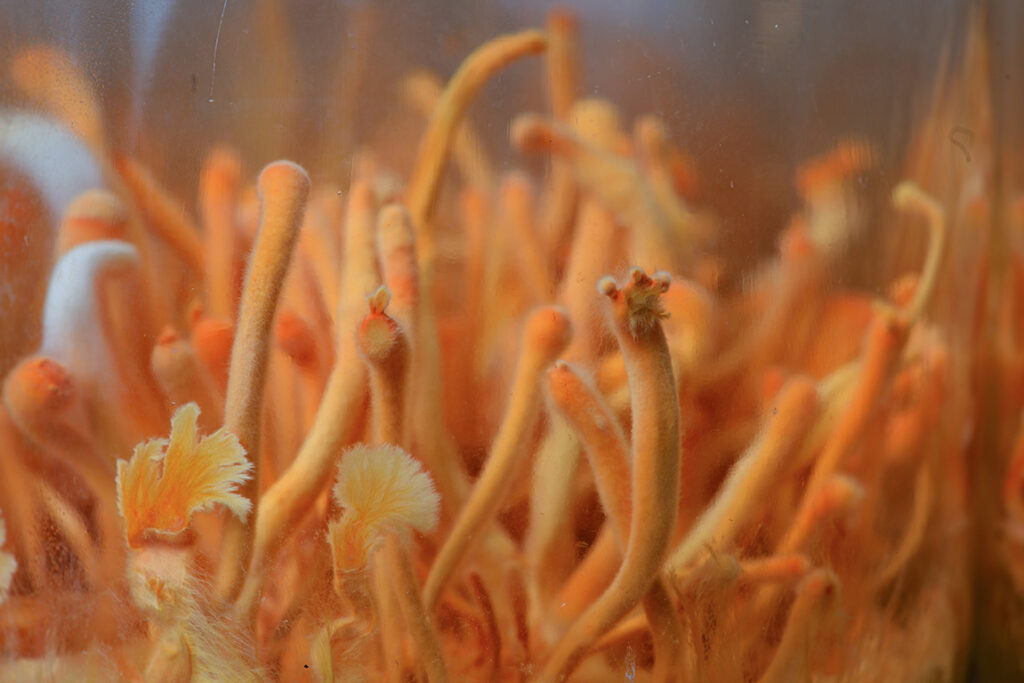
Cordyceps, historically known as Cordyceps sinensis and now classified as Ophiocordyceps sinensis, is a parasitic fungus native to high-altitude regions of the Tibetan Plateau and Himalayas. Often called caterpillar fungus, it develops by infecting the underground larvae of certain moths and has a long history of use as a tonic in traditional Asian medicine.
Botanical Snapshot
Common Name: Cordyceps, Caterpillar Fungus, Chinese Caterpillar Fungus
Scientific Name: Ophiocordyceps sinensis (Berk.) G.H.Sung, J.M.Sung, Hywel-Jones & Spatafora
Former Name: Cordyceps sinensis
Fungal Family: Ophiocordycipitaceae
Organism Type: Parasitic fungus
Native Range: Tibetan Plateau and Himalayan regions of China, Nepal, Bhutan and India
Part Commonly Used: Traditionally, the dried fungus-and-insect complex; cultivated mycelial products are also widely available
Traditional Use & Bioactive Compounds
Ophiocordyceps sinensis has long been used in Traditional Chinese Medicine and regional Himalayan traditions as a restorative tonic associated with energy, stamina and respiratory and kidney support. These uses reflect traditional systems of practice rather than established medical treatment.
Naturally occurring constituents include polysaccharides, beta-glucans, nucleosides and other bioactive compounds. Laboratory and preclinical studies have explored immune, antioxidant, metabolic and other biological effects, but strong clinical evidence for many marketed health claims remains limited.
Common Forms & Preparations
Traditionally, wild cordyceps has been prepared in broths, teas and tonic preparations. Modern products are more commonly sold as powders, capsules, extracts or cultured fungal material.
Products labeled simply “cordyceps” are not necessarily Ophiocordyceps sinensis. Some contain cultivated strains or other species, particularly Cordyceps militaris, which is a distinct fungus with a different chemical profile.
Safety & Considerations
Human safety information for Ophiocordyceps sinensis remains limited. Mild digestive upset, dry mouth and allergic reactions have occasionally been reported.
Because concentrated supplements can vary significantly in species, preparation and potency, people who are pregnant, breastfeeding, taking medications or managing medical conditions should consult a qualified healthcare professional before using medicinal amounts.
Sourcing & Sustainability
Wild Ophiocordyceps sinensis is a limited and increasingly pressured natural resource. Heavy harvesting, habitat changes and climate warming have contributed to concerns about declining wild populations across parts of its native range.
When purchasing cordyceps products, look for the scientific species name, whether the material is wild or cultivated, the part or culture used and independent testing for identity and contaminants. Cultivated products can reduce harvesting pressure on wild populations, but they should not automatically be assumed to be chemically identical to wild O. sinensis.
Cultural & Traditional Uses
Known in Chinese as dong chong xia cao, often translated as “winter worm, summer grass,” Ophiocordyceps sinensis has a long history in Chinese medicine and in communities across the Tibetan Plateau and Himalayas. Harvesting the fungus has also become an important source of seasonal income for many high-altitude communities.
Related Articles & Resources
Related terms include Beta-Glucan, Polysaccharide, Bioactive Compound and Antioxidant.
For additional research, see the National Institutes of Health article, Properties of Cordyceps Sinensis: A Review.
A Note on Herbal Information
The information in this profile is provided for educational purposes and reflects a mix of botanical reference material, historical use, traditional practices and contemporary perspectives. It is not intended to diagnose, treat, cure or prevent disease, and it should not replace advice from a qualified healthcare professional.
Explore More Botanicals
Return to the Botanical Glossary to explore herbs, roots, flowers, spices and other botanicals along with their traditional uses, history, folklore and modern context.
Ancient tradition. Extraordinary fungus. 🍄