
Reishi Mushroom / Ganoderma lucidum
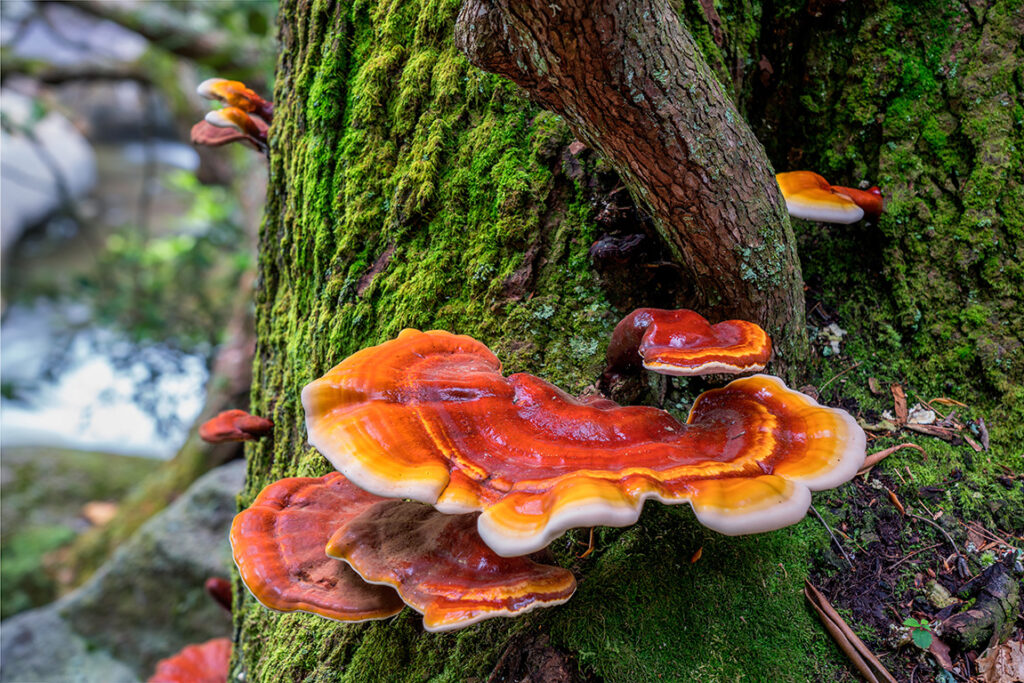
Reishi is a woody, shelf-like mushroom known for its glossy reddish-brown surface and long history of use in East Asian traditional medicine. Also called lingzhi, it is commonly prepared today as tea, powders, extracts and dietary supplements.
Botanical Snapshot
Common Name: Reishi, Lingzhi
Scientific Name: Ganoderma lucidum
Fungal Family: Ganodermataceae
Type: Polypore mushroom
Part Commonly Used: Fruiting body; mycelium and spores are also used in some products
Herbal Use & Bioactive Compounds
Reishi has traditionally been used in Chinese and other East Asian systems of medicine to support vitality, resilience and general well-being.
Its best-studied constituents include beta-glucan polysaccharides and triterpenoids, including compounds known as ganoderic acids. Laboratory and preclinical research has explored their effects on immune function, inflammation and other biological processes, but strong clinical evidence for many marketed health claims remains limited.
Culinary Use & Common Forms
Reishi is tough, woody and notably bitter, so it is not usually eaten like an ordinary culinary mushroom.
It is commonly prepared as a decoction or tea and is also available as powders, capsules, tinctures and concentrated extracts. Commercial products may be made from the fruiting body, mycelium, spores or combinations of these materials.
Safety & Considerations
Reishi supplements may cause digestive upset, dry mouth or other adverse effects in some people. Rare cases of liver injury have also been reported.
Reishi may increase bleeding risk and may interact with anticoagulant or antiplatelet medications and immunosuppressive drugs. People taking medications or using concentrated mushroom supplements should discuss their use with an appropriate healthcare professional.
Sourcing & Sustainability
The commercial name reishi may be applied to several closely related Ganoderma species. Modern DNA research has shown that products historically labeled Ganoderma lucidum do not always contain that species.
When possible, choose products that clearly identify the species, plant part or fungal material used, cultivation method and extraction process. Cultivated mushrooms also reduce dependence on wild harvesting.
Spiritual, Magical & Folk Traditions
In Chinese tradition, lingzhi became a powerful symbol of longevity, good fortune, spiritual potency and well-being. Its distinctive form appears in historical art, literature and religious symbolism, particularly in connection with Taoist ideas of longevity and immortality.
These meanings reflect longstanding cultural and spiritual traditions rather than scientifically established properties of the mushroom.
Cultural & Traditional Uses
Lingzhi has held an important place in Chinese traditional medicine and culture for centuries. Historical texts describe it not only as a medicinal substance but also as an auspicious symbol associated with vitality, longevity and good fortune.
Its cultural importance eventually spread beyond China, and related Ganoderma mushrooms became known as reishi in Japan and by other regional names throughout East Asia.
Related Articles & Resources
Related terms include Bioactive Compound, Beta-Glucan and Polysaccharide.
A Note on Herbal Information
The information in this profile is provided for educational purposes and reflects a mix of botanical reference material, historical use, traditional practices and contemporary perspectives. It is not intended to diagnose, treat, cure or prevent disease, and it should not replace advice from a qualified healthcare professional.
Explore More Botanicals
Return to the Botanical Glossary to explore herbs, roots, flowers, spices and other botanicals along with their traditional uses, history, folklore and modern context.
Ancient symbol, enduring presence. 🍄